
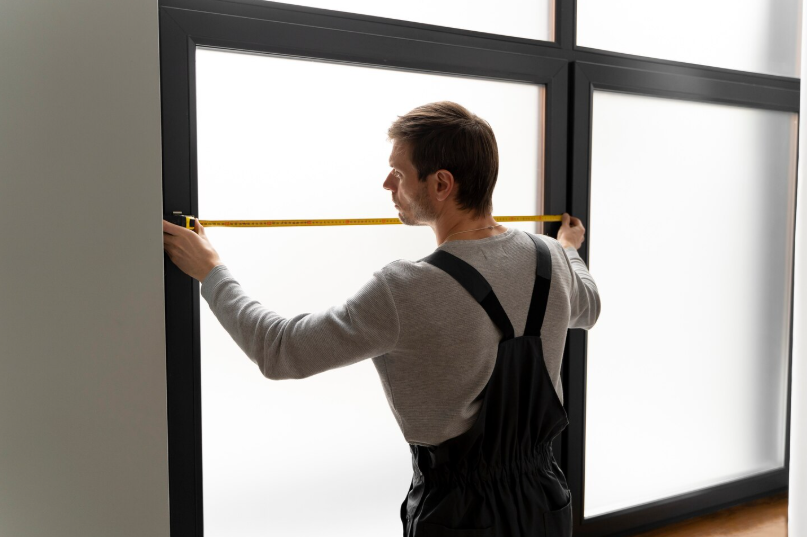
West-facing rooms can be some of the hardest spaces to keep comfortable in Southwest Florida. They may feel fine in the morning, then become bright, hot, and uncomfortable later in the day. Home window tinting helps reduce glare, UV exposure, and heat gain while keeping the room usable without closing blinds every afternoon.
Why West-Facing Glass Feels Different
Late-day sun comes in low and strong, which means it can reach deeper into living rooms, bedrooms, dining areas, and home offices. That direct exposure can make screens difficult to see, warm up furniture, and fade flooring or fabrics. Window film helps control those problems at the glass instead of forcing homeowners to block the view.

The best film is not always the darkest option. Many homeowners want less glare and better comfort while keeping natural light and curb appeal. SunGuard can compare neutral, reflective, ceramic, and privacy options based on the room and glass type.
Room use should guide the film choice. A bedroom may need softer light and more privacy, while a living room may need glare control without changing the view too much. A home office may need a film that makes screens easier to see during afternoon work hours. The same home can use different film recommendations in different rooms.
Furniture placement matters too. A sofa, dining table, piano, rug, or art wall sitting in direct afternoon sun may need stronger UV protection than a hallway window with little exposure. SunGuard can review where the sun lands in the room before recommending a shade and performance level.
Understanding Heat, Glare, And UV Separately
West-facing rooms actually have three different sun problems, and a good film addresses each one rather than just darkening the glass. Heat gain is the energy that builds up the room temperature through the afternoon, glare is the raw brightness that washes out screens and makes a sofa hard to relax on, and UV is the invisible part of sunlight that fades floors, fabrics, and artwork over time. A homeowner can care a lot about one of these and very little about another.
That distinction guides the film choice. Quality solar control and ceramic films are designed to reject a meaningful share of solar heat while staying relatively light, which keeps the room cooler without making it feel like dusk at three in the afternoon. Glare control is partly a function of how much visible light the film lets through, and UV reduction is a property most quality films share, helping protect interior finishes regardless of how dark the film looks.
Because these factors do not move together, the darkest film is rarely the smartest choice. A homeowner who mainly wants a cooler, less blinding living room can often get there with a film that still preserves the view and natural light. SunGuard can walk through which of the three problems matters most in each room and match the film to that priority instead of defaulting to maximum darkness everywhere.
What To Review Before Tinting A Room
- Glass type: Single-pane, dual-pane, laminated, and specialty glass may need different film recommendations.
- View preference: Some films preserve the view more naturally, while others prioritize privacy or stronger glare control.
- Fading risk: Rooms with wood floors, artwork, rugs, leather, or fabric near the windows often benefit from UV protection.
- HOA appearance: Exterior reflectivity and color should fit the home’s style and any applicable community rules.
Matching Film To Each Room
One of the advantages of home window film is that it does not have to be the same product throughout the house. A west-facing bedroom that needs to stay cool and private for sleep has different priorities than a living room where the view of the water or yard is part of why the homeowner bought the house. Treating each room on its own terms usually produces a more comfortable result than choosing a single film for every window.
In a home office, the priority is often glare on screens during afternoon work hours, so a film that cuts brightness while keeping the room functional makes the day easier. In a living room or great room, homeowners frequently want to preserve the view and natural light, which points toward a clearer film weighted toward heat and UV control. Bedrooms may lean toward softer light and more daytime privacy, and dining rooms and sunrooms each bring their own mix of comfort and fade-protection concerns.
Walking the home room by room is the best way to sort this out. SunGuard can look at where the sun lands, what furnishings sit in its path, and how each space is used, then recommend a film for each room rather than a one-size answer. That approach keeps the brightest, hottest spaces comfortable while leaving rooms with little exposure as open and clear as the homeowner wants.
Comfort Without Closing The Room Off
Blinds and curtains can help, but they also remove the view and make the room feel closed in. Window tinting is useful because it works throughout the day while the window still functions like a window. That can be especially helpful in living rooms, home offices, bedrooms, and waterfront spaces where the view is part of the value of the home.

If energy comfort is part of the decision, the energy savings estimator can help frame expectations before installation. Actual results depend on the home, film, glass, shade, thermostat settings, and sun exposure.
Glass compatibility is another reason to use a professional installer. Some window types need specific film recommendations to manage heat absorption safely. SunGuard can check the glass type, look for existing damage or seal concerns, and choose a film that fits the window instead of forcing a generic option onto every pane.
Homeowners should also think about exterior appearance. A film that looks subtle from inside can still change how the home looks from the street. This is especially important in communities with HOA standards or homes where front-facing glass is a major design feature.
Timing the consultation around the problem hours can be helpful. If the room gets uncomfortable between 3 p.m. and 6 p.m., looking at the space during that window gives a clearer picture of the glare angle and heat load. Photos can help too, especially for rooms that change dramatically as the sun moves across the house.
Window film can also work alongside shades, curtains, and landscaping. Tinting handles a large part of the sun problem at the glass, while window treatments can still be used for nighttime privacy or design. That layered approach often feels better than relying on closed blinds all afternoon.
SunGuard can help homeowners prioritize if the budget does not allow every west-facing window at once. Start with the room that gets used most often, then add bedrooms, dining rooms, or secondary spaces later if the first installation solves the comfort issue.
Protecting Floors, Furniture, And Finishes
One of the most overlooked benefits of home window film is what it does for everything inside the room. Afternoon sun pouring through a west-facing window does not just make the space uncomfortable; over months and years it can fade hardwood and laminate flooring, lighten the color out of rugs and upholstery, dull leather, and age artwork hanging on a sunlit wall. By the time the fading is obvious, the damage is usually permanent.
Quality window film reduces UV exposure at the glass, which is the single largest contributor to that kind of fading. Film cannot stop every fade factor, since visible light and heat play a role too, but cutting UV meaningfully slows the process and helps a room’s finishes hold their color longer. For a homeowner who has invested in nice flooring, furniture, or a piano sitting in direct sun, that protection often matters as much as the day-to-day comfort.
The benefit is strongest where valuable or fade-prone items sit closest to the glass. A dining table, art wall, sofa, or area rug in the direct path of late-day sun is exactly the kind of placement worth protecting. SunGuard can note where the sun actually lands during the problem hours and recommend a film that balances comfort with the UV protection those furnishings need, so the room stays both livable and well preserved.
For more on managing heat and energy at the window, the U.S. Department of Energy’s Energy Saver guide to energy-efficient window treatments outlines how different window solutions affect comfort and energy use.
Frequently Asked Questions
Will tint make the room too dark?
Not necessarily. Many residential films reduce glare and heat while keeping the room bright enough for everyday use.
Can window tint help protect furniture?
Yes. UV-blocking film can help reduce fading risk for flooring, fabrics, artwork, and furniture, though it does not eliminate all fading factors.
Can SunGuard tint only one room?
Yes. Many homeowners start with the hottest or brightest room, then add more windows later if they like the result.
How should tinted home windows be cleaned?
Use soft cloths and non-abrasive cleaners after the film has cured. SunGuard provides care guidance so the film has time to dry properly and stay clear.
Can window tint help with privacy?
Yes, depending on the film and lighting conditions. Daytime privacy films work best when it is brighter outside than inside, so nighttime privacy may still require shades or blinds.
Talk With SunGuard About Home Window Tinting
For help with home window tinting for west-facing rooms, call SunGuard Window Tinting at (941) 625-9666 or visit the home window tinting page to compare options.

