
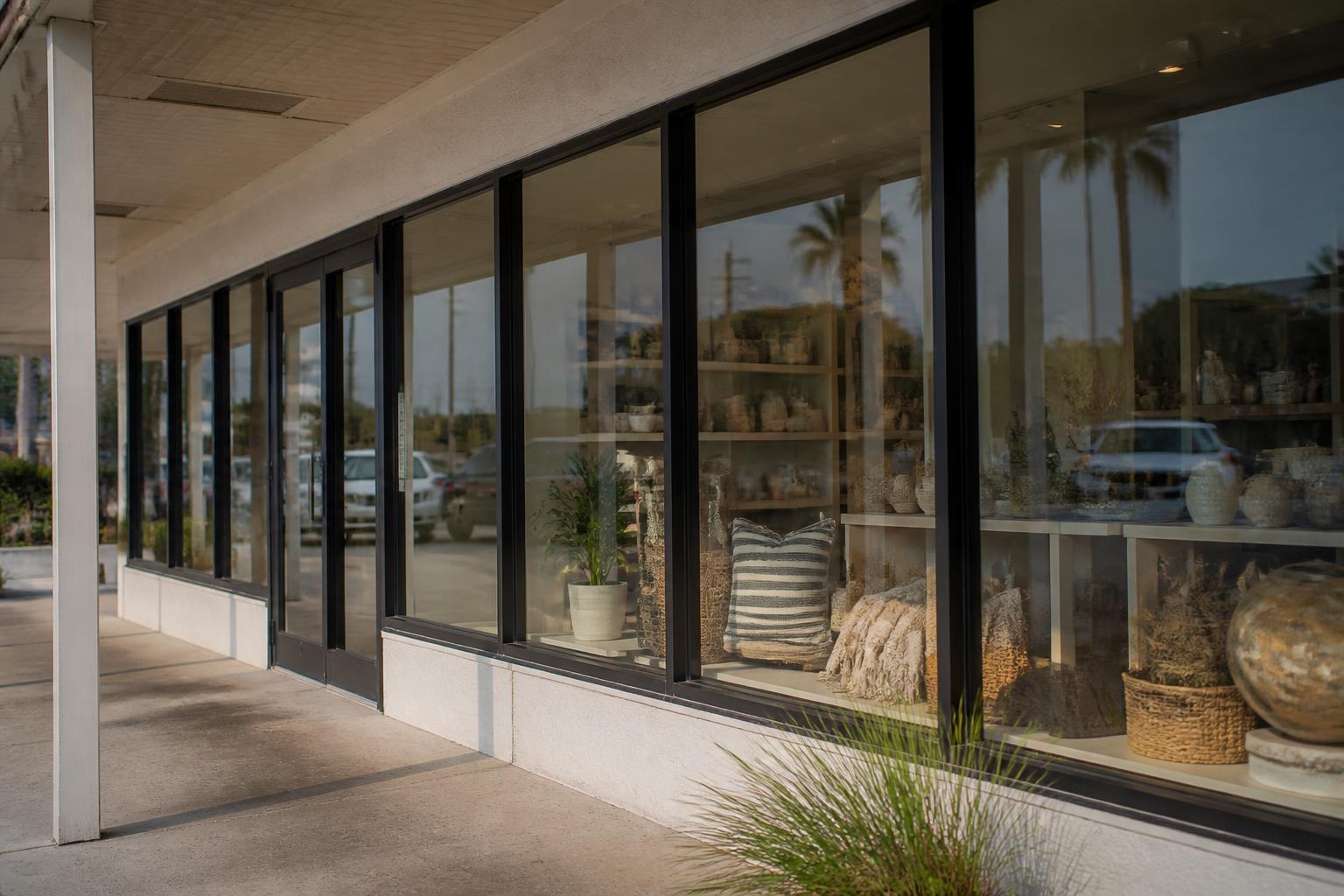
Late afternoon sun can turn a welcoming storefront into a hard place to shop. Customers squint at products near the glass, staff move displays away from bright patches, and reflections make a window sign difficult to read from inside. Storefront window film can help manage that light while keeping the view and the business’s public face in mind. The useful question is not whether the glass should be darker. It is which panes cause the problem, at what hours, and what the business needs people to see through them.
Map the glare before choosing a film
Start with a short walk through the space when the problem is actually happening. Note where direct sunlight lands, where reflections appear on screens or glossy merchandise, and which workstations receive the strongest light. A shop with an east-facing entrance may have a morning problem. A west-facing display window can look comfortable at opening and become difficult late in the day. Seasonal sun angles can change the pattern, so photographs at a few times are more useful than a single description of a “bright window.”
Look from the sidewalk as well as from inside. The display may be designed to attract people walking past, and a treatment that improves employee comfort but hides the merchandise can defeat its purpose. Record which panes must stay visually open, which could take a more noticeable finish, and whether existing awnings, shelving, or shades already affect the light. This simple map gives an installer a real problem to solve instead of asking them to choose from a wall of film samples.
Separate glare, heat, fading, and privacy goals
These concerns often arrive together, but they are different. Glare is the bright light that makes viewing uncomfortable or obscures a screen. Heat gain is the warming felt near the glass. Sun exposure can contribute to fading of merchandise, flooring, or furnishings over time. Privacy asks whether people outside can see into the business at particular hours. A film chosen for one outcome may affect the others, but no single appearance guarantees every result.
Describe the priority for each area. A front sales window might need clear visibility and reduced glare, while a consultation room needs greater visual separation. A cashier facing a glass wall may care about screen reflections more than the temperature of a display. The National Fenestration Rating Council offers background on window performance ratings; ask the installer to explain the selected film’s published visible light transmission and solar performance for the actual glass assembly. Sample swatches held against the pane in daylight help staff judge how the color and view will feel in the finished space.
Keep the storefront readable from both sides
Film changes the way glass looks in daylight, but lighting conditions change after sunset. A reflective appearance in bright sun should not be treated as all-hours privacy. At night, when interior lights are brighter than the street, visibility through many films can reverse. If privacy matters after closing or during an evening consultation, plan the interior lighting and any blinds or shades as part of the solution. Test the view from outside at the hours that matter rather than relying on a daytime photograph.
Window graphics, decals, and merchandise displays also need a visual check. Dark or reflective film behind a sign can reduce contrast; a lighter treatment might make an existing graphic easier to read. If branding is printed on the glass, ask whether the application will go on the same surface and whether removal or replacement of the graphic is needed. The goal is a storefront that remains understandable to passing customers while the people inside can work and browse comfortably.
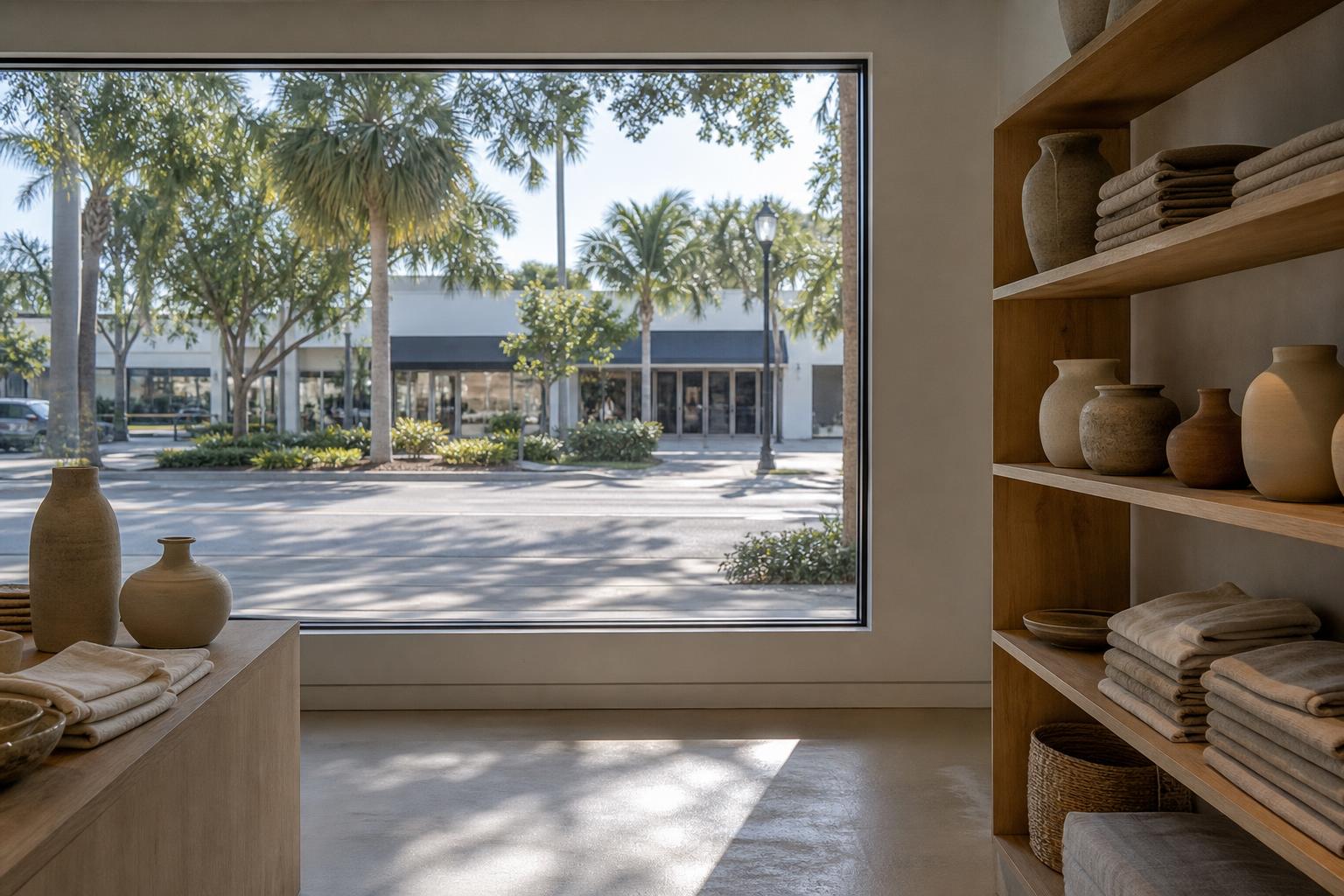
Check the existing glass before any installation
A storefront may combine different glass types, ages, coatings, and orientations. Film compatibility depends on the whole assembly, including whether the glass is insulated or tempered, whether a coating is already present, and how much sun reaches it. Adding a film changes how the glass absorbs and releases heat. An installer should identify the glazing and check the film maker’s compatibility guidance before recommending a product. That step matters especially when a large pane receives strong direct sun or has an unknown history.
Point out chips, edge damage, seal problems, existing film, and hard-water marks before work starts. Film does not repair damaged glass or a failed insulating seal. A clean, stable substrate matters for appearance and adhesion. If an old film is present, discuss removal separately: its condition and adhesive can affect labor and the finished result. Ask for a written scope listing the treated panes, film specification, surface preparation, and any areas excluded because the glazing cannot be identified or is unsuitable.
Plan installation around the business day
Installation is easier when displays can be moved back from the glass and staff know which areas will be temporarily unavailable. The crew needs access to the full pane, a clean working area, and room to handle film without brushing against products or fixtures. For a busy entrance, it may make sense to split the work by window bank so customers can still enter safely. Confirm where tools and ladders can stand, how nearby electronics and merchandise will be protected, and who will open or secure the space.
Fresh film can show moisture patterns or a slightly hazy look while the application solution dries. Drying time depends on the film and conditions, so ask for the product-specific care instructions instead of judging the final appearance on installation day. Staff should know when to clean the glass, what cleaner and cloth to use, and whom to call if an edge lifts or a mark remains after the stated cure period. A short handoff to the manager prevents well-meant cleaning from damaging the new surface.
Compare an on-site sample against the actual work
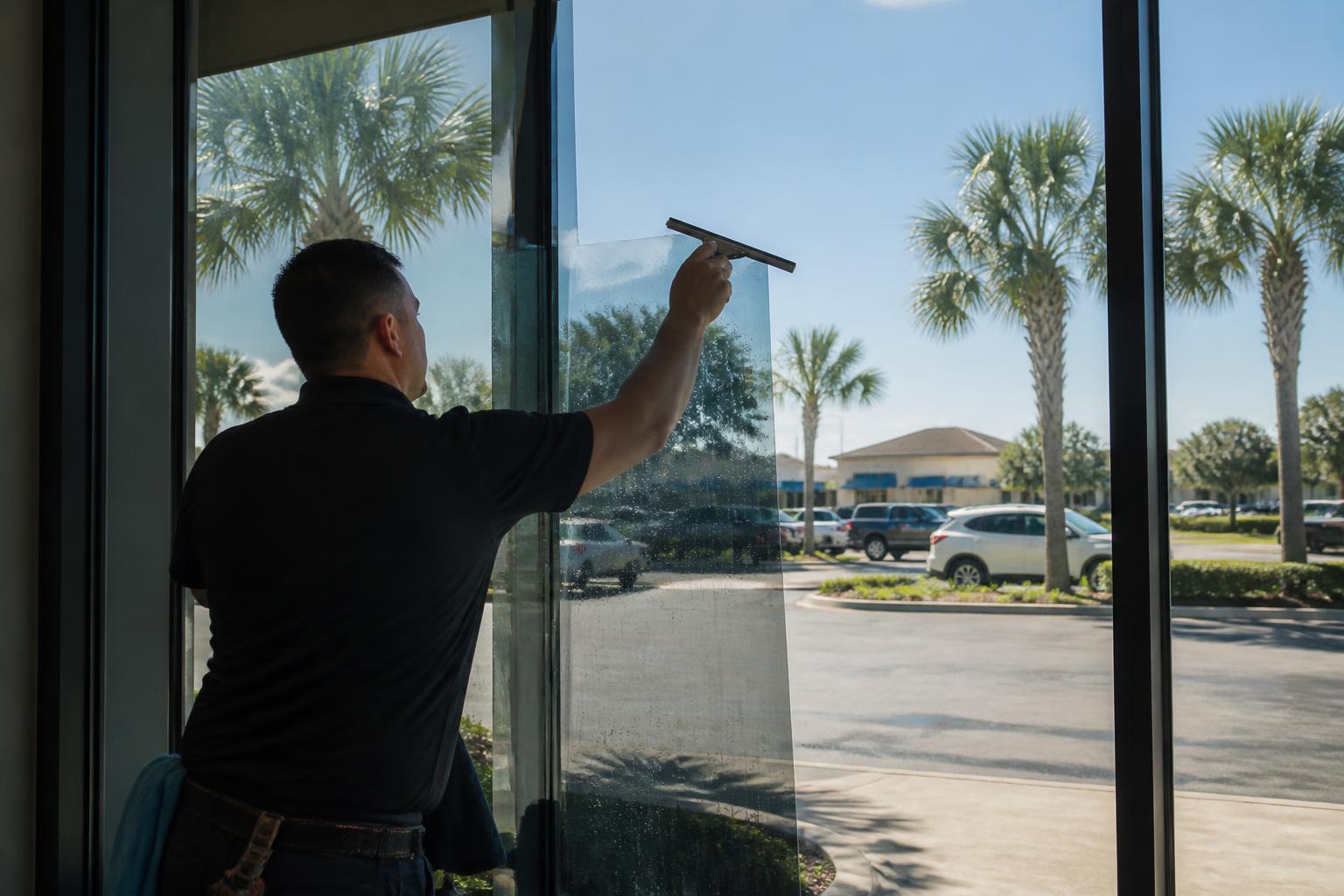
A sample should answer practical questions: Can a shopper still see the featured products? Does a worker still see clearly outside? Is the computer screen easier to read at the troublesome hour? Does the film alter the color of merchandise or interior finishes? A small sample cannot predict every condition, but it can expose a mismatch before the whole storefront is covered. Ask to view the sample from the sidewalk and from the counter, and take photos at the same time of day as the original glare problem.
When comparing proposals, match like with like. Count the same panes and square footage, confirm whether old-film removal and preparation are included, and compare the actual film specifications and care guidance. A lower quote that omits difficult panes may leave the worst glare untouched. A darker sample may look impressive in a brochure while making an interior display feel closed. The best choice is the one that addresses the measured nuisance without compromising the business’s visibility or workflow.
Make a pane-by-pane decision
Commercial window film does not have to be an all-or-nothing storefront project. Some businesses need treatment only on the afternoon-facing glass; others have a bright counter and a separate private office. A pane-by-pane plan can keep the entrance and display open while targeting the areas that interrupt work. It also gives the manager a clear way to inspect the finished installation against the original glare map.
SunGuard Window Tinting serves businesses in the Punta Gorda area and can discuss the glass in your storefront. Bring a few photos of the glare at its worst, note the hours and panes involved, and explain what customers must still see through the windows. For examples of a different commercial setting, see our commercial window tinting guide. When you are ready to discuss the storefront itself, contact SunGuard with the location and the problem hours so the conversation starts with the actual space.
Storefront film questions
Will window film make the display too dark?
That depends on the film and the amount of daylight the display receives. Compare a sample on the actual glass at the hours shoppers use the space. Tell the installer which products, signs, and sightlines must remain visible.
Does reflective film guarantee privacy at night?
No. When the inside is brighter than outside, people may see through film that appeared reflective during the day. Check nighttime sightlines and use shades or other privacy measures where needed.
Can film go over an older film?
Do not assume it can. Have the installer identify the existing layer and assess its condition and the glass beneath it. A proper scope may call for removal and surface preparation before a new treatment.
How should staff clean newly filmed glass?
Follow the selected film’s curing and cleaning instructions. Wait the specified period, use the recommended nonabrasive materials, and report persistent bubbles or lifting edges to the installer rather than scraping them.