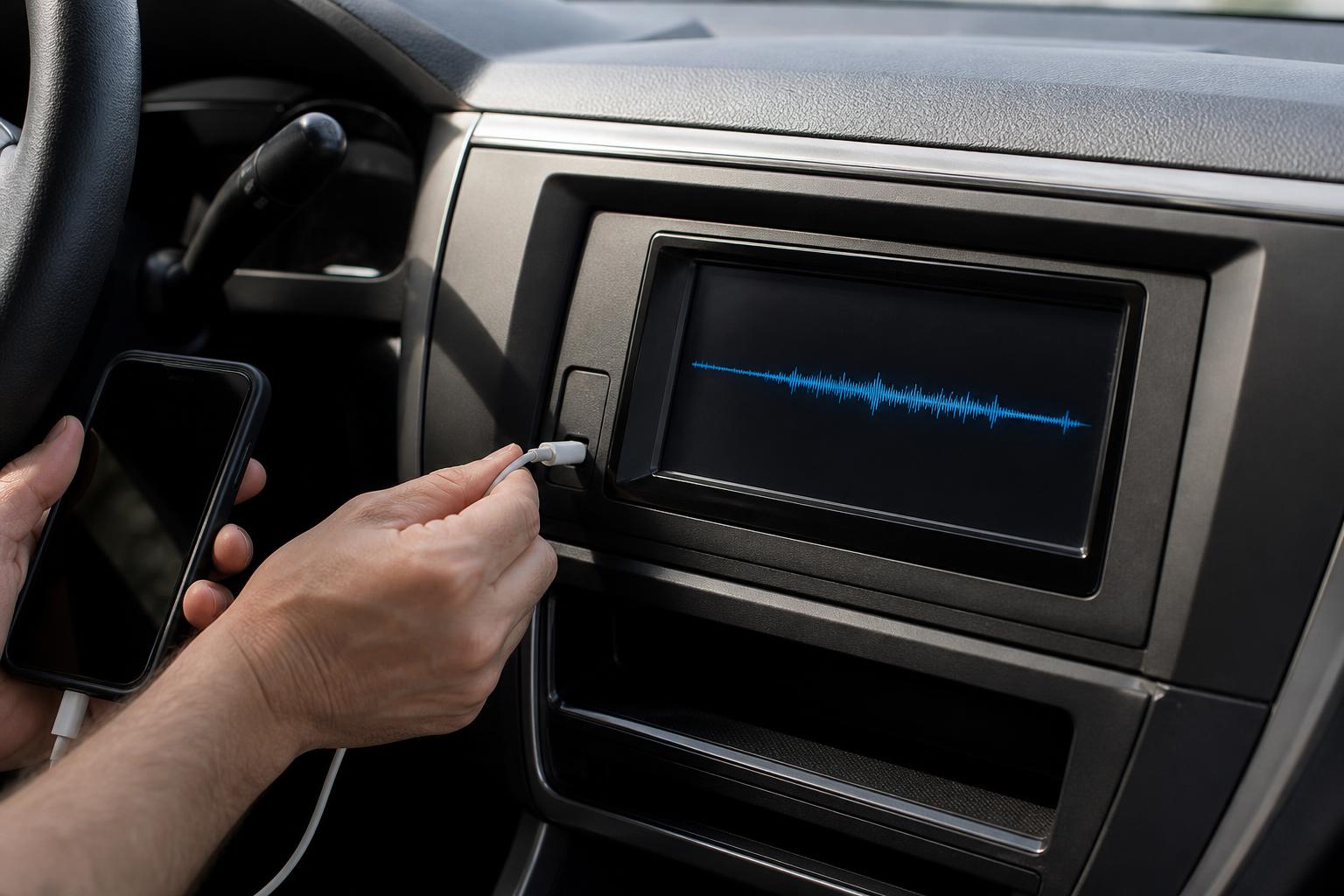
A factory car stereo can feel limiting even when the vehicle is otherwise comfortable. The sound may be thin, a speaker may distort, or the phone connection may be unreliable. Yet the dashboard also controls things a driver wants to keep: steering-wheel buttons, a backup camera, vehicle alerts, and familiar menus. A thoughtful audio upgrade begins by identifying what works now and what must continue to work after installation. Replacing the screen is only one possible path.
Define the problem before buying equipment
“Better sound” can mean different things. One driver wants clear speech from podcasts at highway speed; another wants stronger bass without filling the cargo area with a large enclosure. A third is satisfied with the speakers but frustrated by connection dropouts. Spend a few drives noting which sources sound poor, what volume reveals the problem, whether it affects one side or all speakers, and whether road noise is the real obstacle. A short listening note is more useful to an installer than a shopping list of parts chosen before diagnosis.
Check the simple settings first. Balance and fade can make a healthy system seem broken. Phone volume, equalizer presets, compressed audio, and a damaged source file can also change the result. If a speaker rattles only on one track or only when a door panel is loose, a replacement component may not solve the underlying issue. An installer can listen to the existing system, inspect the installation space, and then recommend a scope that matches the symptom and budget.
List every factory feature you use
Modern vehicles may route more than music through the audio system. Chimes, hands-free calls, parking prompts, navigation guidance, and vehicle settings can depend on factory electronics. Some vehicles use an external amplifier or active noise control. Before changing a receiver or adding equipment, list the features you actually use and ask how each will be retained and tested. The answer depends on the specific year, trim, and factory package; a fitment claim for one version may not apply to another.
Bring the vehicle identification details and let the installer inspect the dash and existing connections. If you rely on a backup camera or steering-wheel controls, say so at the first conversation. Clarify whether the proposed work keeps the factory display, replaces it with a compatible unit, or uses an interface to integrate added equipment. The iDatalink Maestro vehicle integration catalog is one example of how interface options vary by vehicle; it is not a recommendation for a particular product. Ask what happens to factory updates or settings after the change. The written scope should name any interface parts and the functions expected to remain available, rather than treating “compatible” as an all-purpose promise.
Start with the part of the signal chain that limits the sound
A speaker swap can help when the original speakers are damaged or cannot reproduce the detail the listener wants. But speakers work within the power and signal delivered to them. If the factory tuning heavily shapes the output, different speakers alone may not create a balanced result. An amplifier or signal processor may be a better first step for a particular system, while another vehicle may respond well to a modest speaker upgrade. Installation quality, placement, and door-panel fit are as important as the logo on a box.
Ask the installer to explain which part of the existing system constrains the desired outcome. For example, if voices sound muddy at normal volume, the answer may involve speaker condition, placement, source quality, or tuning. If bass disappears when the car is moving, cabin noise and low-frequency output may matter. A demonstration in the vehicle, if available, helps set expectations. A plan that names the present problem and the expected change is easier to judge after the work than a generic package described only by wattage.
Decide how much bass belongs in the vehicle
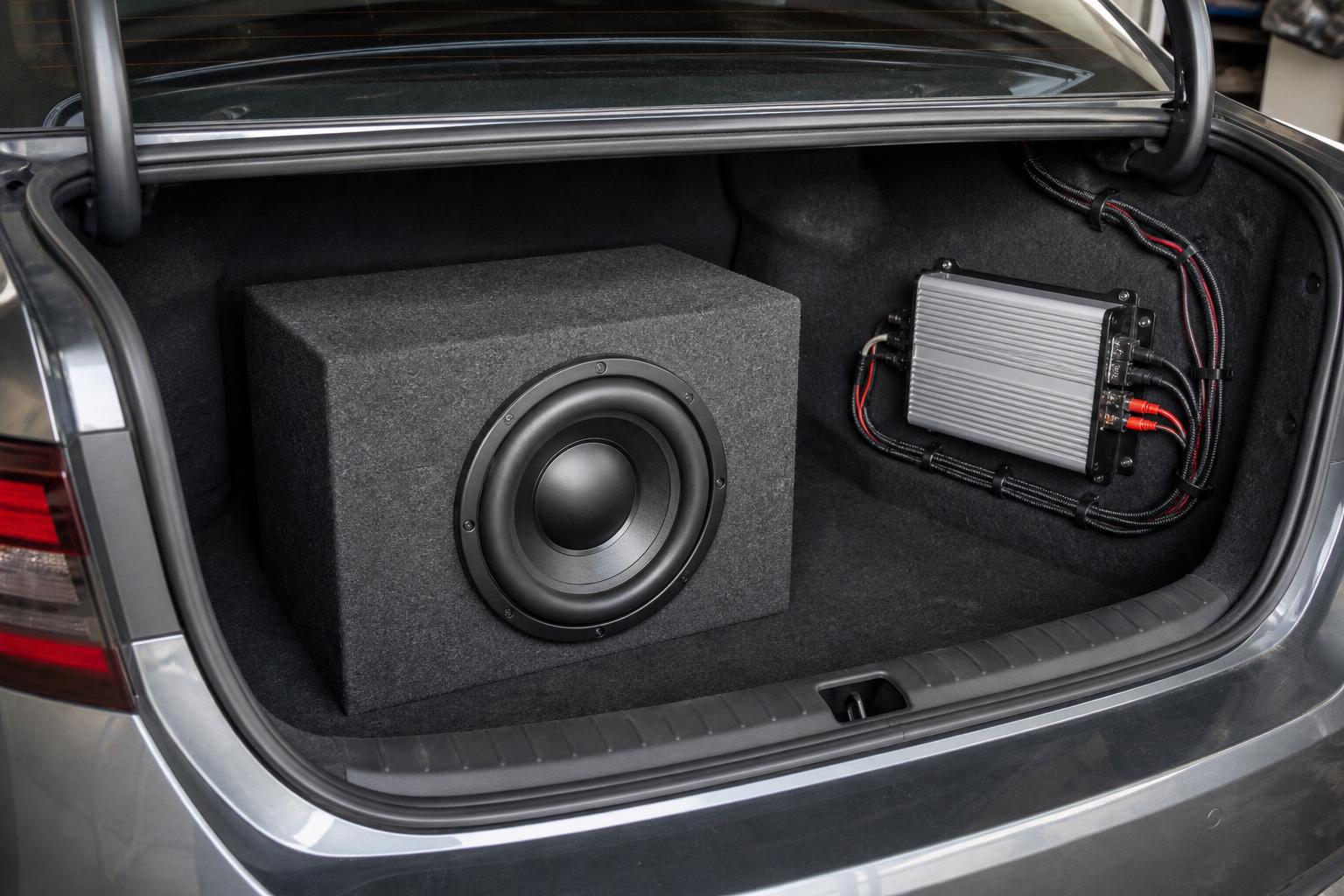
A subwoofer does not have to dominate the sound. For many drivers, its job is to handle low notes so the door speakers do not strain to reproduce them. Size, enclosure design, amplifier matching, cargo-space needs, and tuning all affect whether the bass feels integrated or overwhelming. A compact solution can be useful where a stroller, tools, luggage, or grocery space must remain. A larger enclosure may suit a different driver, but it should be chosen with the actual vehicle and use in mind.
Where a subwoofer goes matters. It needs secure mounting, appropriate wiring, and protection from items that move in the trunk. Discuss whether the installation will be visible, whether the spare tire or storage panels remain accessible, and how the system will be serviced later. A vehicle-specific conversation should address that component alongside the rest of the system. This article focuses on choosing an overall upgrade without overlooking the factory features.
Plan safe power, wiring, and placement
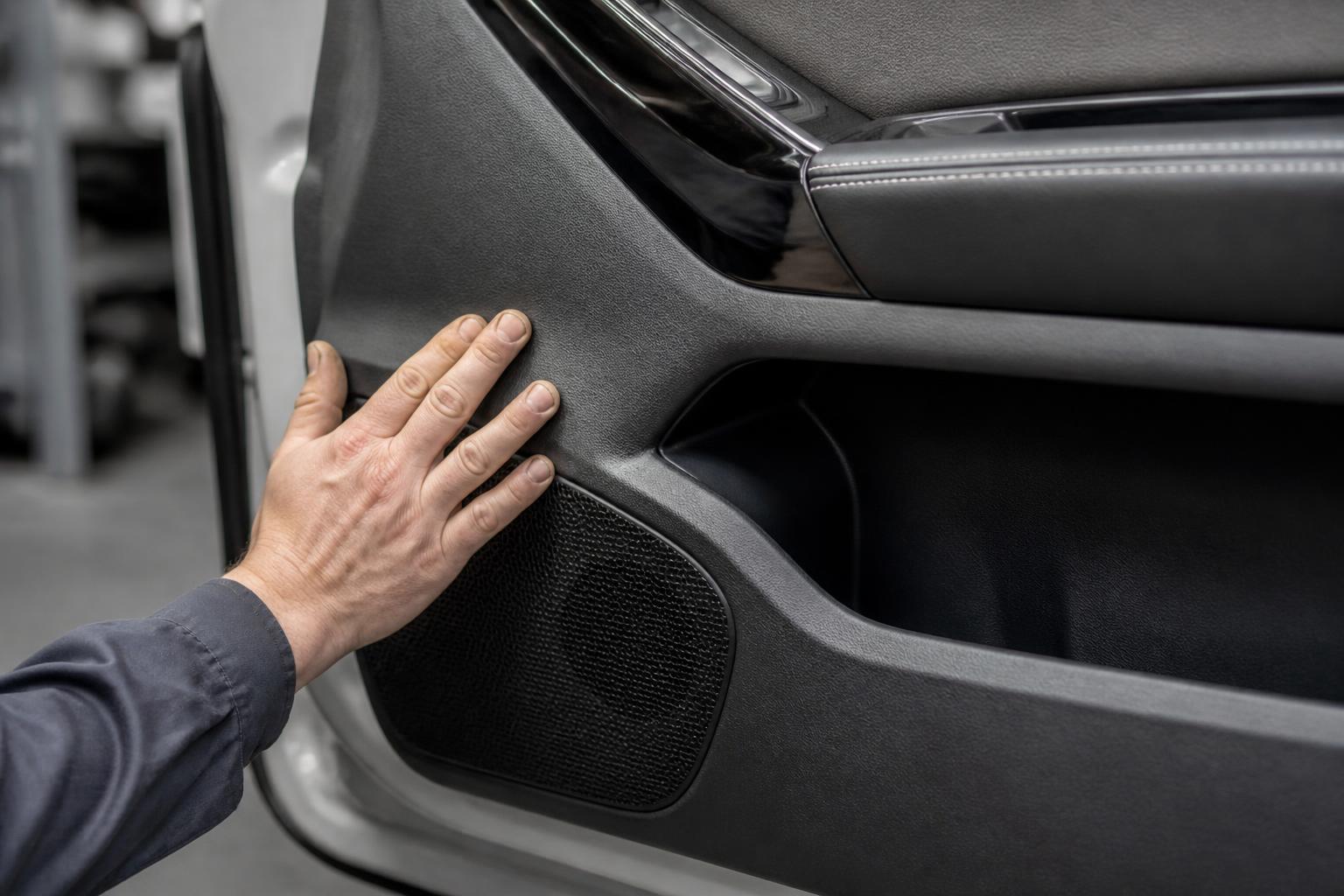
An added amplifier needs power and grounding sized for the equipment, routing that avoids abrasion, and protection appropriate to the circuit. Wires should be secured away from moving parts and from areas where a passenger or mechanic could snag them. Door speakers need proper fit and moisture-aware installation inside the door. Trim should go back without new rattles or gaps. These details are largely hidden once the car is assembled, which is why they belong in the installation discussion before parts are ordered.
Ask where new equipment will be mounted, how it can be accessed for service, and whether any permanent cuts are planned. Some drivers prefer the factory appearance; others are comfortable with visible components. Either can work if the scope is clear. A careful installer should be able to explain the route and protection of power wiring, the way factory harnesses are handled, and how the vehicle will be returned to normal use. Avoid a plan that promises a quick cosmetic result but leaves the electrical details vague.
Keep controls simple for the driver
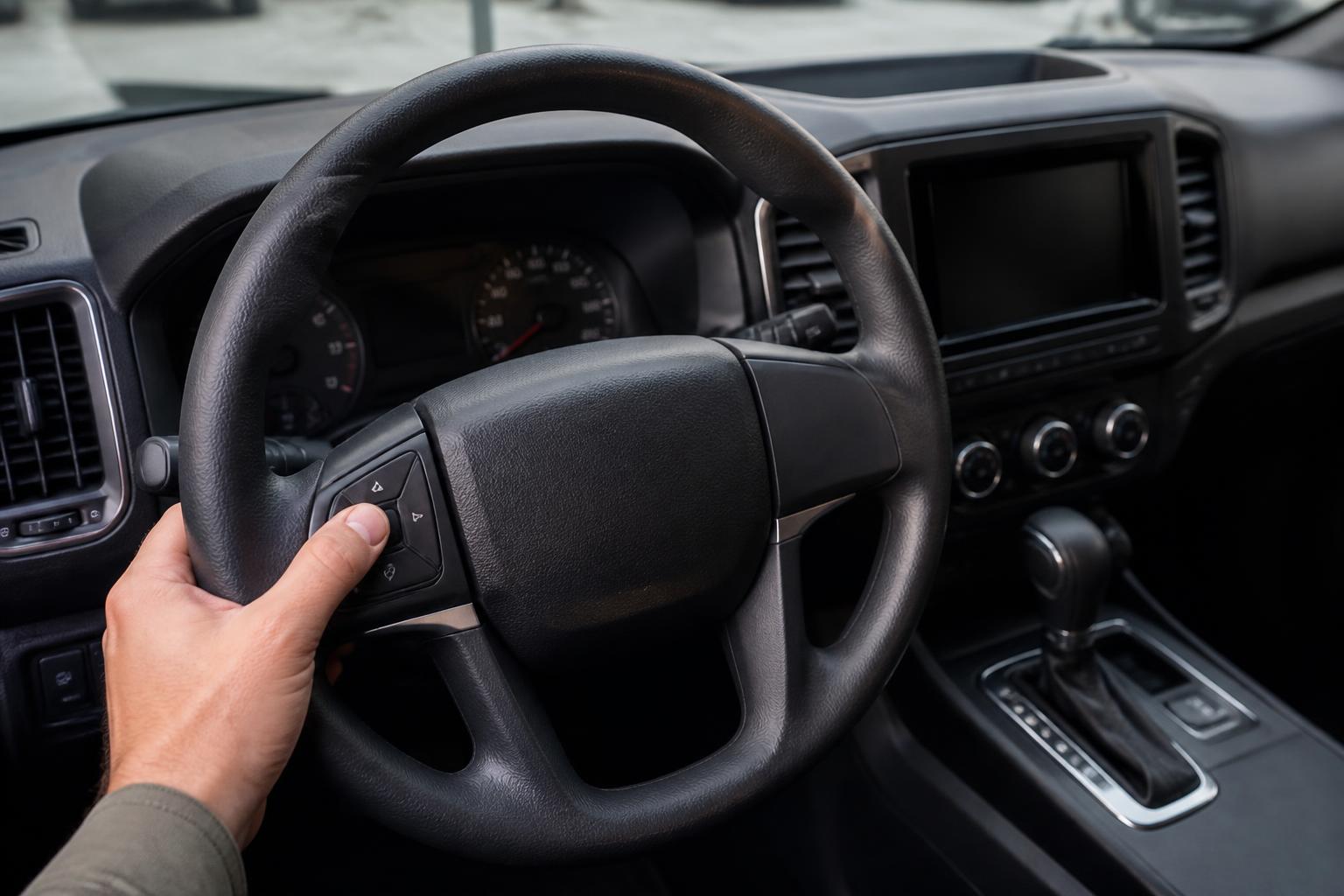
An audio system is used while the vehicle is moving, so ease of operation matters. Can the driver adjust volume without looking away from the road? Are phone calls and navigation prompts understandable? If a new receiver adds menus, can common tasks be done through familiar controls or voice features? Set up music and navigation before driving and keep attention on the road. An upgrade should support that habit, not demand more screen interaction.
During handoff, pair the driver’s phone, check call audio, and test the most-used music source. Set an initial equalizer profile that sounds balanced at an ordinary listening level. Explain any controls the driver will need, including how to adjust bass without accidentally masking voices or alerts. If more than one person uses the vehicle, test their normal source connections too. A few minutes of guided use can reveal a compatibility issue before the car leaves the shop.
Test the vehicle as a whole at handoff
Turn the key or start the vehicle and verify the features listed in the original scope: cameras, steering-wheel buttons, parking alerts, chimes, phone microphone, navigation guidance, and any settings accessed through the original screen. Listen with the engine off and on, then at an ordinary driving volume. Check each speaker, not just the driver’s seat, and listen for panel rattles. Make sure the proposed bass level does not overpower speech or conceal safety prompts. A short test drive may reveal road-noise problems that were not obvious in a quiet bay.
Ask for a simple record of what was installed and where any added fuse, amplifier, processor, or serviceable connection is located. Keep product manuals and installation notes with the vehicle’s records. If sound changes after a few days, describe the conditions rather than immediately turning every control up. A repeatable symptom, such as distortion at a certain level or a phone that disconnects after starting, gives the installer a better route to diagnosis.
Choose an upgrade that fits the way you drive
The right factory-system upgrade may be a speaker repair, better integration and tuning, modest bass support, or a more extensive change. It does not require replacing every part simply because a new component is available. Prioritize the listening issue, the features to retain, available space, and the controls the driver can use comfortably. Ask for the proposed sequence in writing so the first stage can be assessed before adding more equipment.
SunGuard Window Tinting installs car audio in the Punta Gorda area. If you are considering an upgrade, bring the vehicle’s year and trim, describe what bothers you about the current sound, and list the factory functions you want to keep. You can also read our car audio upgrade overview and contact the shop to discuss a vehicle-specific plan. A useful conversation starts with what you hear and how you use the car, then works toward equipment that solves that problem.
Factory stereo upgrade questions
Can I improve sound without replacing the factory screen?
Often, yes, but the available path depends on the vehicle and factory system. Have an installer inspect the year and trim, assess the current signal, and explain which speakers, amplification, tuning, or interface changes are appropriate.
Will steering-wheel buttons and cameras still work?
Do not assume they will. Identify those functions before work begins, have the installer specify how each will be retained, and test them during handoff.
Is a subwoofer necessary for every upgrade?
No. It depends on the sound you want, existing speakers, cabin noise, and the space you can give up. A small, well-integrated low-frequency system may help one vehicle, while another needs a different first step.
What should I bring to the consultation?
Bring the vehicle, year and trim details, your usual phone and audio source, and a short list of specific listening problems and factory features to preserve.