
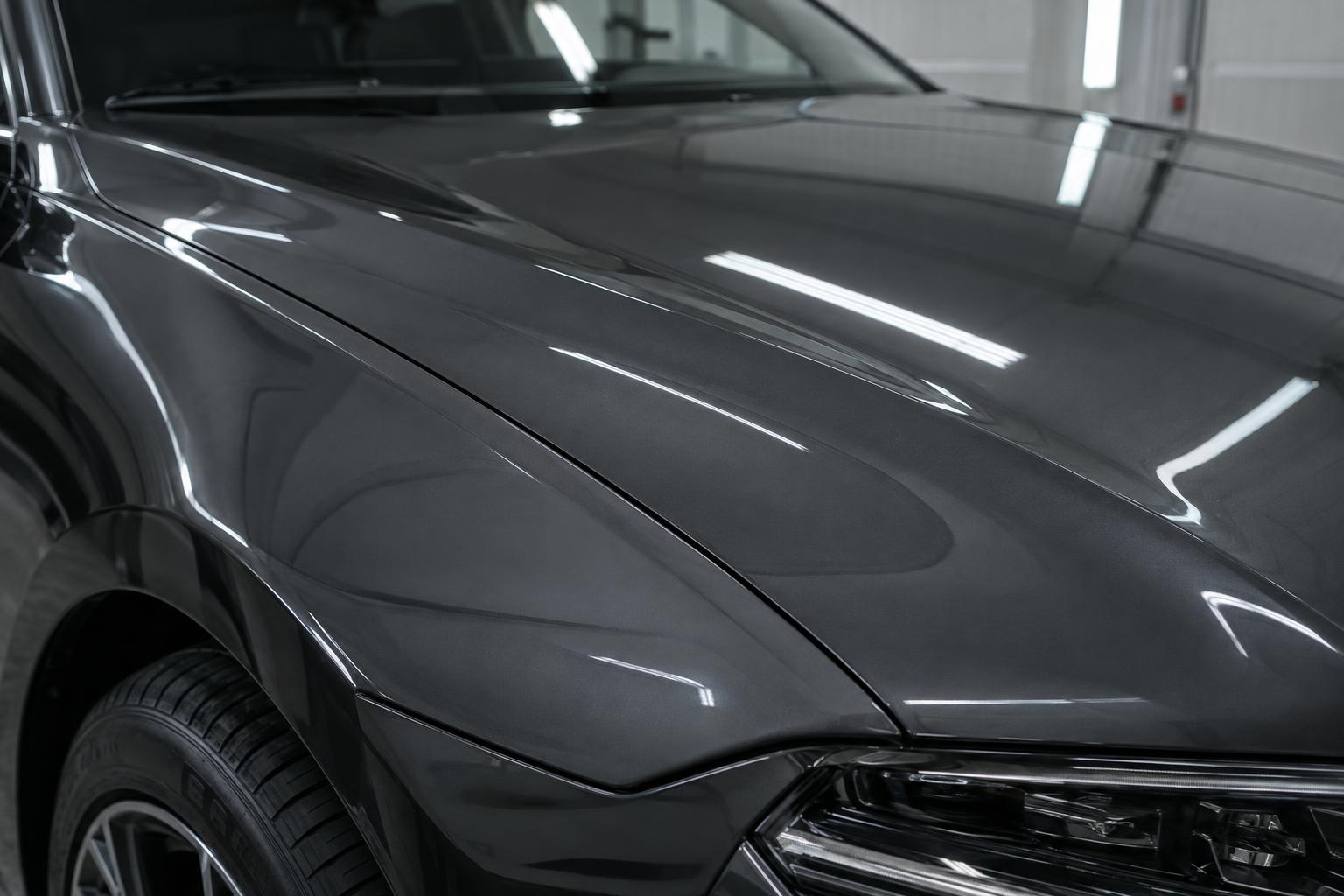
A newly coated vehicle can look finished when it leaves the bay, but the coating still needs time to settle into the paint surface. Ceramic coating cure time is the period when the fresh layer should be protected from avoidable moisture, washing, abrasion, and contamination. The exact care plan depends on the product, application conditions, and installer. That is why the written handoff for your vehicle matters more than a generic timetable found online.
Cure time starts with the installer’s care plan
Ask the installer what the coating needs during its initial set and its longer curing period. A professional handoff should explain when the vehicle can be exposed to weather, when it may be washed, which products are appropriate, and what to do if it gets wet unexpectedly. Keep those instructions with the vehicle records so another driver or detailer does not unknowingly treat the finish too soon.
SunGuard installs System X MAX G Plus after paint inspection, decontamination, correction when needed, careful application, leveling, and controlled curing. The manufacturer’s current product and care guidance remains the authority for that coating, so review the official System X information alongside the instructions provided for the completed job. Cure guidance can change with the specific coating and conditions; do not substitute a timetable for a different brand or package.
Why the finish needs a protected early period
Fresh coating is not the same as bare wet paint, yet it should not be treated as fully ready for every kind of contact. During the early period, rubbing, detergents, mineral-rich water, bird droppings, tree sap, and road grime can complicate the finish before the coating has reached its intended condition. The safest approach is simple: minimize contact and follow the product-specific plan.
This does not mean the vehicle must remain untouched forever or that a brief weather surprise automatically ruins the work. It means the owner should avoid adding stress that can be prevented. Park thoughtfully, postpone unnecessary washing, and contact the installer when something happens that the handoff did not cover. Early questions are easier to address than experimenting with cleaners or polishing products.
Plan parking before the vehicle leaves the shop
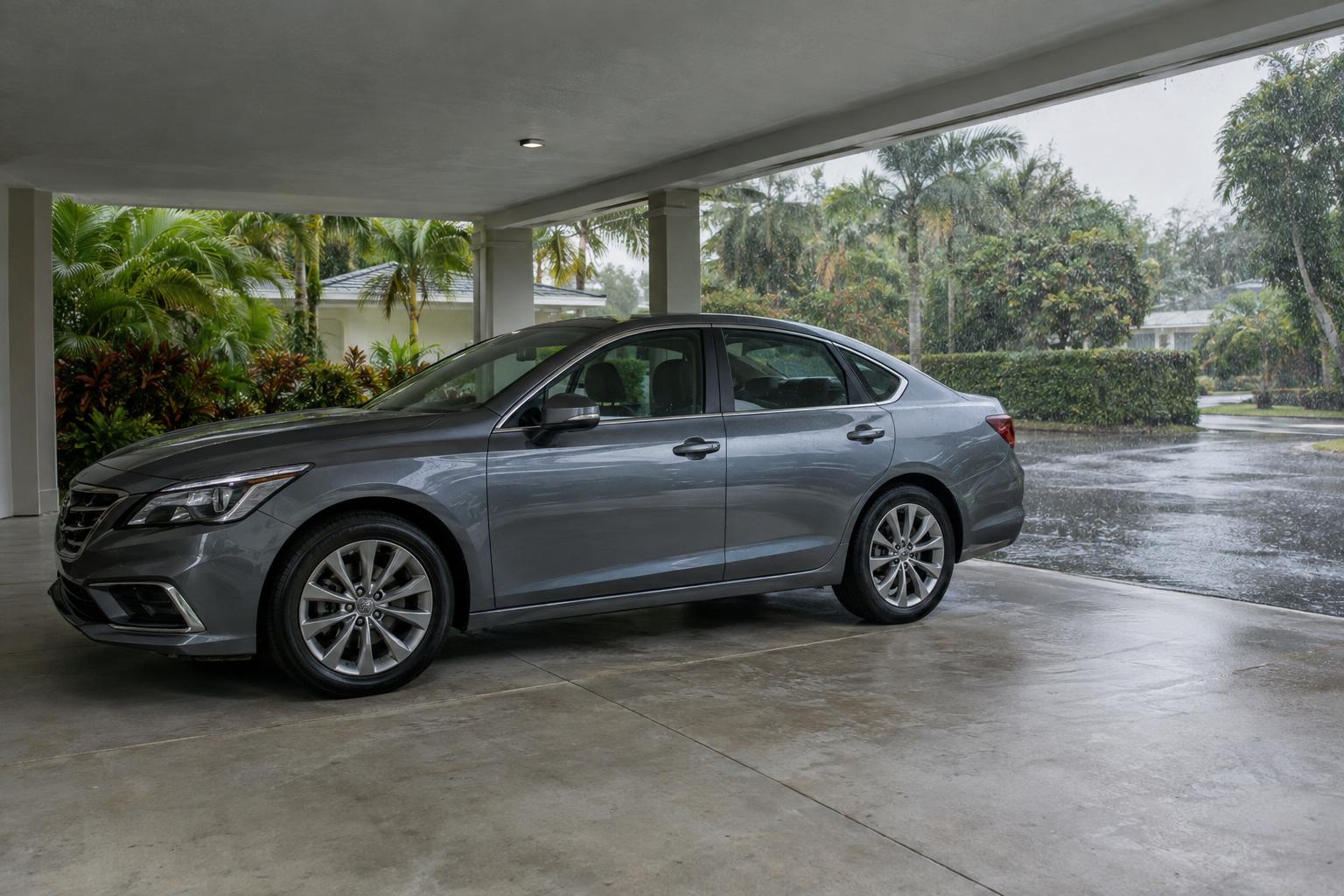
If possible, arrange a garage, carport, or other covered parking space for the initial period specified by the installer. Covered parking reduces direct rain, sprinkler spray, falling leaves, bird activity, and airborne debris. It also keeps a family member from washing the vehicle out of habit. A clean, dry place is useful, but it should remain ventilated and safe for normal vehicle storage.
Avoid parking where lawn sprinklers repeatedly hit the same panels. Southwest Florida water can leave mineral deposits as droplets dry. Trees add shade, but they can also add sap, pollen, seed pods, and droppings. If covered parking is not available, tell the installer before pickup so the aftercare plan reflects the vehicle’s real environment rather than an ideal one.
What to do if rain reaches the car
Do not panic, scrub, or reach for a strong household cleaner. First, follow the instructions supplied with the coating. If the installer directed you to keep the surface dry and the vehicle gets caught in rain, move it under cover when it is safe to do so and ask whether the surface should be gently dried or inspected. The right response depends on how recently the work was completed and which product was applied.
If droplets remain, avoid grinding dust across the paint with a dry towel. Friction can create marks even when the coating itself is sound. Use only the method and materials the installer recommends. Take a few clear photographs if spots or residue appear, note when the exposure occurred, and send that information to the shop. That gives the installer useful context without adding another chemical or abrasive step.
Delay washing until the approved time
The car may look dusty before it is ready for a normal wash. Resist the urge to make it perfect immediately. Automatic brushes, strong cleaners, pressure applied too close to an edge, and aggressive drying can all add unnecessary contact. Even a careful hand wash should wait until the product-specific ready date provided at handoff.
When washing resumes, use a clean method designed for automotive finishes. Separate wash media from wheel tools, keep towels free of grit, and avoid allowing soap or water to dry on a hot panel. A coating helps make routine care easier, but it does not eliminate safe washing habits. If you use a professional detailer, tell them what coating was installed and when.
Avoid toppers, waxes, and polishing experiments
Owners sometimes want to add shine with a spray, wax, or quick polish. During the cure period, that extra layer may interfere with the installer’s care plan or make a surface issue harder to evaluate. Use only products the installer has approved for the specific coating. More product does not automatically mean more protection.
Polishing is particularly different from cleaning. It removes or refines a small amount of the surface and should not be treated as casual maintenance on a new coating. If a mark appears, let the installer inspect it before attempting correction. A small deposit, a high spot, and a scratch can look similar in a phone photo but require very different responses.
Watch for contamination without rubbing the paint
Bird droppings, insects, tree sap, and construction dust should not be ignored, but removal still needs care. Contact the installer for the approved method if contamination lands on the vehicle during the protected period. Do not scrape a hardened deposit or use a kitchen sponge. If the material can be handled under the written guidance, use clean supplies and as little pressure as practical.
Document the affected panel before and after any approved cleaning. This is not about creating a warranty file for every speck of dust; it helps the shop understand what happened if a visible mark remains. Note whether the panel was hot, whether the material had dried, and what product or towel was used. Clear facts help separate ordinary residue from a finish that needs professional attention.
Inspect the finish in normal light
Bright detailing lights reveal small paint defects, but owners use the vehicle in daylight, shade, parking lots, and garages. After the stated curing period, look over the panels in soft daylight. Check for residue, unusual streaks, or spots that do not change after the approved wash. Do not judge a dark finish only under one harsh light or immediately after a humid night.
If something looks inconsistent, contact the installer before using a compound or solvent. Share the panel location, lighting conditions, and care already performed. A scheduled inspection lets the shop examine the finish safely and compare it with the application record. The goal is to preserve the coating, not hide a concern with a temporary product.
Build a simple long-term care routine
Once the coating is ready for normal use, consistent maintenance matters more than frequent experimentation. Wash with clean tools, remove contamination promptly by an approved method, and avoid letting mineral-rich water bake onto hot panels. Keep the installer’s care notes and any product information where the people who wash the car can find them.
For help with an existing spot after the cure period, read our guide to water spots on ceramic coating. If you are planning a coating in Punta Gorda or Port Charlotte, review SunGuard’s ceramic coating service, then contact the shop to request a vehicle-specific consultation and aftercare plan.
Frequently asked questions about ceramic coating cure time
How long does ceramic coating take to cure?
There is no single safe number for every coating and installation. Use the timetable provided for the exact product on your vehicle, including separate guidance for moisture exposure, washing, and normal use.
What if it rains soon after installation?
Move the vehicle under cover when safe, avoid rubbing or adding cleaners, and contact the installer for the approved response. Explain when the coating was applied and when the exposure occurred.
Can I wash a newly coated car?
Wait until the installer’s stated ready date before normal washing resumes. When it does, use clean automotive wash media and avoid harsh chemicals or abrasive brushes.
Should I apply wax over a new ceramic coating?
Do not add wax, polish, or a topper unless the installer approves it for the specific coating and stage of cure. Unplanned products can complicate care and inspection.