
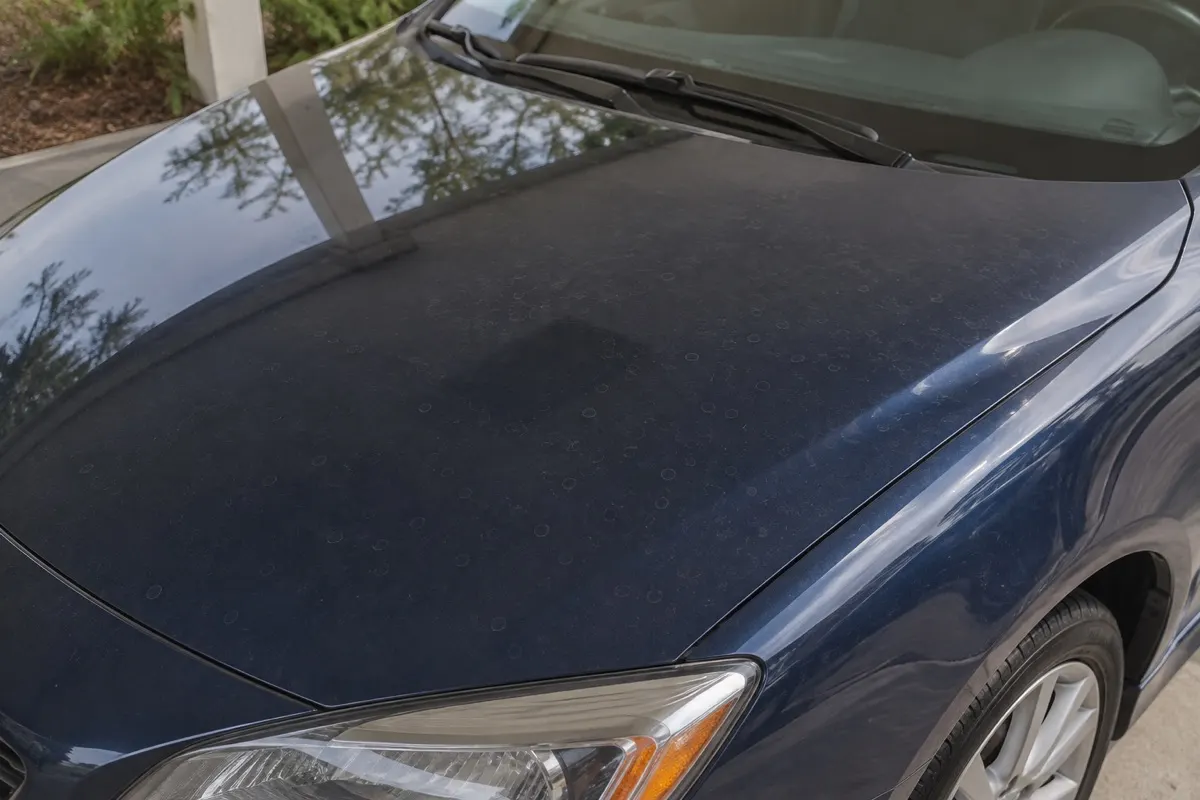
Finding water spots on ceramic coating can be frustrating, especially when the car still looks glossy everywhere else. A coating helps with maintenance, but it does not make dried water disappear. Before reaching for a stronger cleaner, work out when the marks appeared, whether the coating is newly installed, and what cleaning instructions came with it.
For drivers in Punta Gorda and Port Charlotte, a useful first response is simple: move the vehicle out of direct sun, let the panels cool, and check the coating manufacturer’s care instructions. If the coating is still curing, contact the installer before washing or treating it. For an established coating, start with its approved routine wash process. Persistent marks deserve an assessment before you escalate to chemicals or polishing.
Why Water Spots on Ceramic Coating Can Still Appear
Water can carry dissolved minerals. When droplets evaporate, some of that material can remain on the surface as pale rings or irregular spots. The USGS explanation of water hardness identifies calcium and magnesium as the main minerals associated with hard water. A coating does not remove those minerals from water that lands on a vehicle.
A visible mark also does not tell you, by itself, how serious the problem is. Some marks are deposits on the surface. Others remain after suitable cleaning and need a closer look. Do not assume that every circle means the coating has failed, or that every spot will wash away. Appearance alone is a poor basis for choosing a strong treatment.
Think about what happened before the spots appeared. Was the car beside a sprinkler overnight? Did rinse water dry on the hood before you finished the wash? Was the vehicle already hot when you started? Write down the likely source and approximate timing. Those details are more useful to an installer than simply reporting that the finish looks different.
Also separate paint from other surfaces. A product recommended for automotive glass may not be suitable for coated paint, plastic trim, or a coated wheel. Start with the product label and its guidance for that particular surface. Avoid using one cleaner across the whole vehicle merely because the spots look similar.
Start With a Cool Surface and the Approved Wash Process
If the coating has finished its required cure period, follow the wash method recommended for that specific product. System X’s aftercare guidance recommends washing in shade, using a suitable pH-neutral shampoo, and drying the vehicle instead of leaving water to air-dry. It also cautions against aggressive products and abrasion. Your installer’s written directions should determine the timing of the first wash and which maintenance products to use.
Get everything ready before wetting the car: the approved shampoo, clean wash media, and clean drying towels. If you discover halfway through that your last towel is dirty, pause and get a clean one. A towel used on wheels or a towel dropped on the driveway does not belong back on the painted hood.
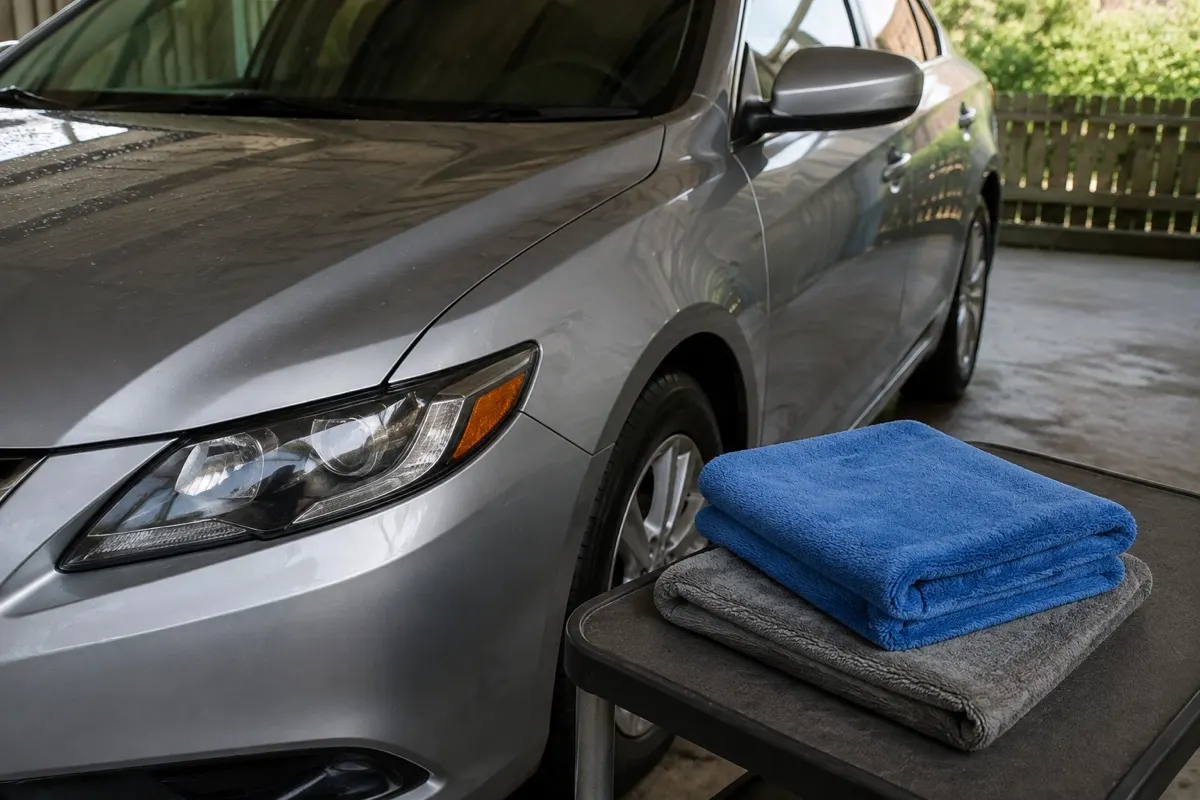
Wash manageable areas and inspect the finish once it is clean and dry. Take a photograph of the same area before and after cleaning, in similar lighting. A reflection from a tree or an overhead light can make a mark seem to vanish when it has only become harder to see. Consistent photographs help you judge whether your first step actually changed the problem.
If the spots disappear, continue with routine care rather than adding extra treatments just in case. If they remain, resist the urge to keep rubbing the same patch. Repeated pressure with a towel is not a reliable way to diagnose a deposit. Make a note of the shampoo and tools you used so the next person assessing the finish has a clear starting point.
When to Stop and Ask About Spot Treatment
Contact your installer when an approved wash does not resolve the marks, when the finish looks dull or uneven, or when you cannot identify the coating. Explain whether the spots are new, whether the vehicle recently had a coating installed, and whether you have already applied another product. Include photographs of the whole panel as well as a close view.
Ask about a product that is specifically compatible with your coating, rather than buying a bottle solely because its label says “water spot remover.” If a treatment is recommended, request directions for that exact product and surface. Follow its application, rinsing, and protective-equipment instructions. Do not mix cleaners, extend the dwell time, or allow a product to dry because an online tip suggests a stronger result.
Avoid improvised acid mixtures, abrasive household pads, and an experimental pass with a machine polisher. These add variables before you know what is on the surface. A professional may recommend further correction after inspecting the finish, but that is a different decision from routine washing. Ask whether the proposed work could affect the coating and whether any area would need to be recoated.
For example, imagine that one section of a hood stays marked after a careful wash while the surrounding paint is clear. That observation is useful. It does not justify treating every painted panel with a stronger chemical. Start the conversation with the affected area and the history of the marks, then agree on the scope of any work after assessment.
Reduce Repeat Spotting With a Practical Parking and Drying Routine
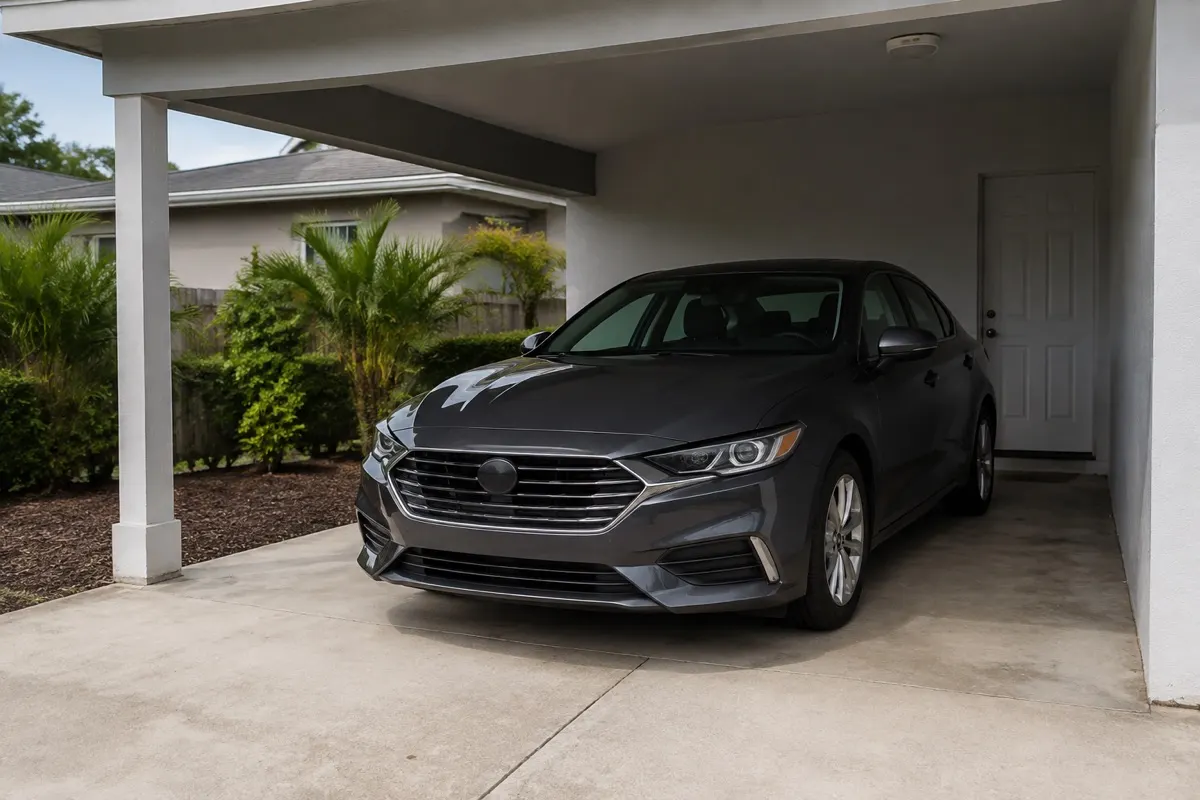
The most helpful maintenance change is often the one tied to the actual source. If sprinklers are wetting the same side of your car, choose a different parking position where possible. If rinse water regularly dries before you finish, plan washes when you can work in shade and complete the drying step without interruption. Choose a routine you can repeat, rather than an elaborate process you will abandon after one weekend.
Keep a small care record with the coating name, installation date, aftercare sheet, and the products you normally use. Add a note if a spot-removal treatment is performed. This makes later advice more specific and avoids guessing which finish or maintenance product is on the vehicle. It is particularly useful if someone else washes your car.
When booking a wash or detailing service, share those instructions before the appointment. Ask what cleaning process will be used and whether any polishing or extra surface treatment is included. You should be able to approve the work with a clear understanding of what will touch the paint.
If you are comparing protection options before an installation, our ceramic coating service page explains SunGuard’s offering. You can also read our comparison of ceramic coating and wax. Whatever you choose, plan for regular care instead of treating a protective finish as permission to leave deposits on the car.
Frequently Asked Questions
Does a water spot mean my ceramic coating has failed?
Not necessarily. A visible mark alone cannot establish the condition of the coating. Record when it appeared, follow the approved care process, and ask the installer to assess marks that remain. Avoid diagnosing coating failure from one photograph or from how a single drop of water behaves.
Can I use a household cleaner or vinegar?
Use only a treatment confirmed as suitable for your specific coating and the affected surface. Household cleaning advice may not account for the coating, trim, or product already on the car. Ask the installer for a named product and directions instead of experimenting with a homemade mixture.
What should I do if the coating was installed recently?
Contact the installer before washing or treating it. Cure and first-wash instructions depend on the product and installation conditions. Tell the installer what landed on the vehicle and when, then follow the directions provided for that coating.
What information should I have ready when I call?
Have the coating name, installation date, photographs, likely water source, and a list of any cleaners already used. If another shop installed the coating, its paperwork can help establish the appropriate care instructions.
For questions about water spots on ceramic coating, contact SunGuard Window Tinting in Punta Gorda at (941) 625-9666. We serve vehicle owners in Punta Gorda and Port Charlotte. Tell us what you are seeing and ask about the appropriate next step for your vehicle.

