Choosing window film for double pane windows starts with identifying the glass already in your home. “Double-pane” describes part of the window’s construction, but it is not enough information to approve a film. The window manufacturer, glass options, existing coatings, condition, and proposed film all belong in the conversation before installation.
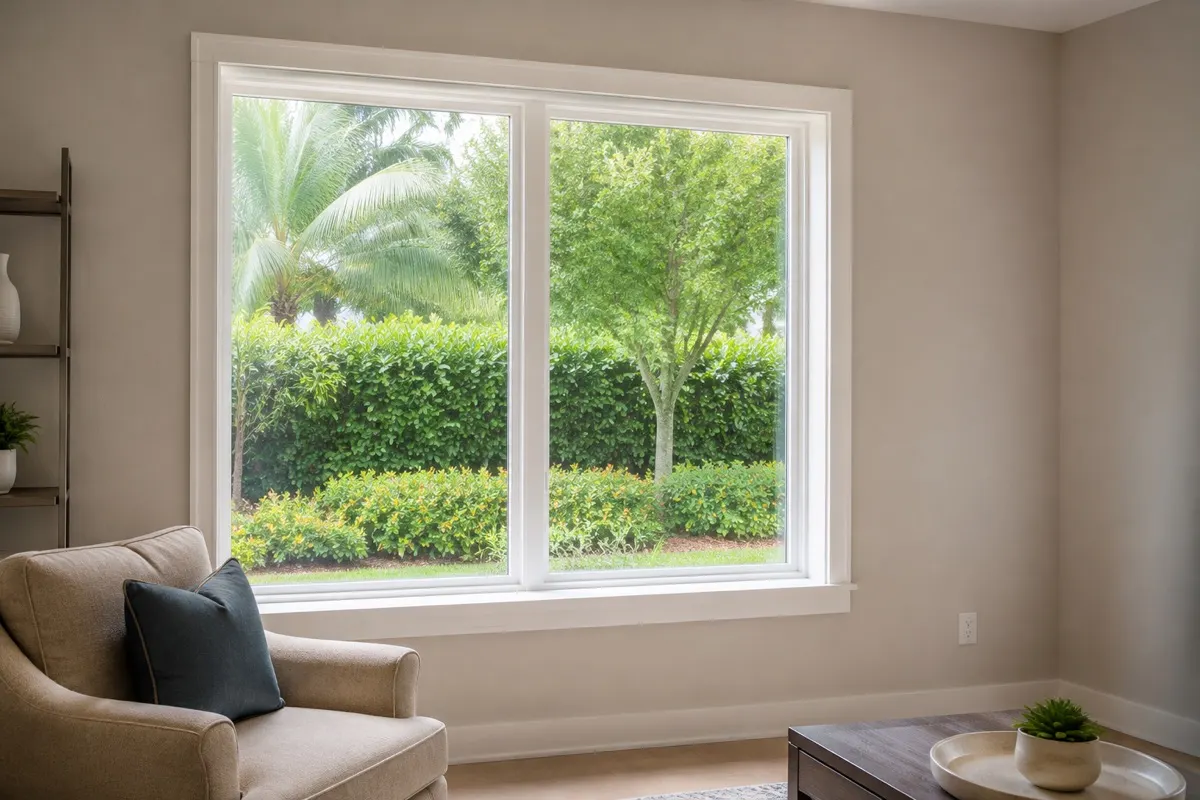
If a Punta Gorda living room feels uncomfortable in afternoon sun, start by describing that problem rather than choosing the darkest sample. A compatibility review should come before a shade decision. Some window manufacturers discourage aftermarket film on their products, while film manufacturers set their own application requirements. The answer for your home should refer to the actual window and film combination, not a general promise that a product works on every window.
Identify the Windows Before Comparing Film
Gather the window brand, product series, approximate installation date, and any paperwork from the original purchase. Take a clear photograph of an accessible product label or glass marking without removing trim or dismantling the window. If you cannot find an identification mark, say so when you request an assessment. An uncertain identification should stay uncertain until it can be checked.
Do not assume every room has matching windows. A home may have original windows in one area, replacement units in another, and a newer patio door. Make a short list by room. If one window was replaced after damage, note that separately even if the frame looks similar to its neighbors.
Useful records include whether the glass has a factory tint or low-emissivity coating, often called Low-E. Do not try to determine the exact coating from a photograph of the room. Ask the window supplier or manufacturer to help identify the installed option from the product information you can provide.
The aim is to give the installer a reliable description of the existing windows. A note such as “three living-room windows installed in 2021, invoice available” is more helpful than “standard double-pane glass.” It also makes it easier to keep the scope of a quote clear if only certain windows are being considered.
Why Window Film for Double Pane Windows Needs a Compatibility Check
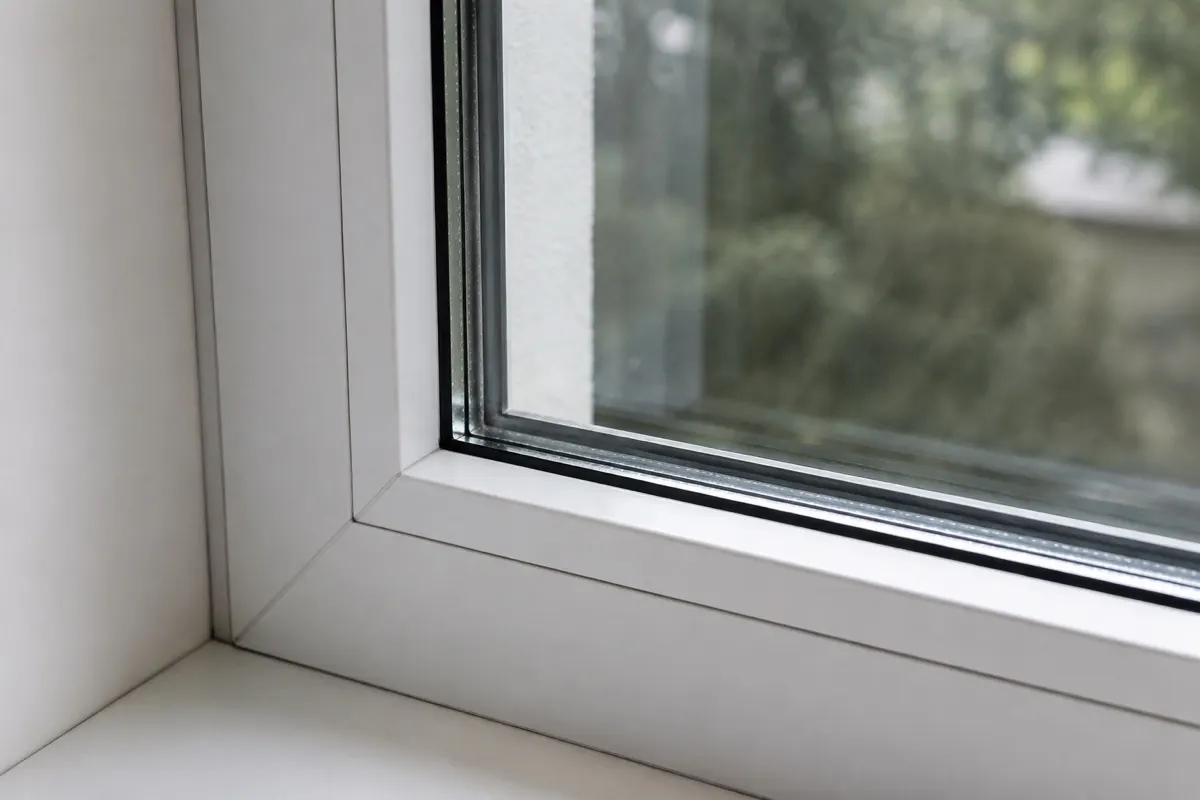
A film recommendation should account for the glass and the conditions around it. For example, 3M’s published glass assessment checklist asks about pane construction, dimensions, framing, shading, and the proposed film. It also identifies conditions requiring additional review. That document illustrates why an installer needs more than a room photograph; it is not an approval for a particular product in your home.
Describe any existing damage or unusual condition before installation is discussed. Include cracks, chips, damaged frames, or haze that appears to sit between the panes. Have the window condition assessed rather than expecting film to repair it. If a window repair is already planned, tell both providers so that film is not installed on a unit due to be replaced.
Explain how the window is shaded during the day. An exterior overhang, a nearby structure, or indoor coverings may be relevant to the assessment. There is no need to calculate glass temperatures yourself. Clear photographs and an accurate description let the installer decide what additional information or manufacturer review is required.
Ask a direct question: “What confirms that this exact film is appropriate for these windows?” A useful answer identifies the product, the glass information used, and any conditions that still need verification. If the answer depends on information no one has yet obtained, leave the selection open until that information is available.
Read the Window and Film Guidance Separately
Approval from one manufacturer does not automatically answer questions about another manufacturer’s product. For example, Andersen’s guidance on applying film discourages reflective or decorative film on its window and patio-door glass because heat buildup may increase the risk of breakage. That is a reason to check the window maker’s position, even when a film is advertised for residential use.
Request the current documents that apply to your product and proposed installation. Ask what the window warranty says about aftermarket additions and what the film warranty actually covers. Film performance, installation labor, glass breakage, and insulated-glass seal issues are different subjects; do not assume a reference to “warranty” includes all of them.
Keep copies with the quote. If a particular approval or limitation matters to your decision, ask for it in writing before work begins. A verbal statement that a film is “safe for double-pane” is too broad to resolve product-specific questions. You should be able to match the final selection to the information reviewed.
Where the window manufacturer’s guidance rules out the proposed film, ask about other ways to address the room. Window coverings or advice from the original window supplier may be more appropriate. It is reasonable to postpone installation when the compatibility or warranty position remains unclear.
Choose the Room Result After the Glass Review
Once suitable options have been established, describe what you want to change. Is glare making a television difficult to watch? Does afternoon sunlight fall directly across a desk? Do you want to keep the room bright? Rank those concerns so the film comparison has a clear purpose.
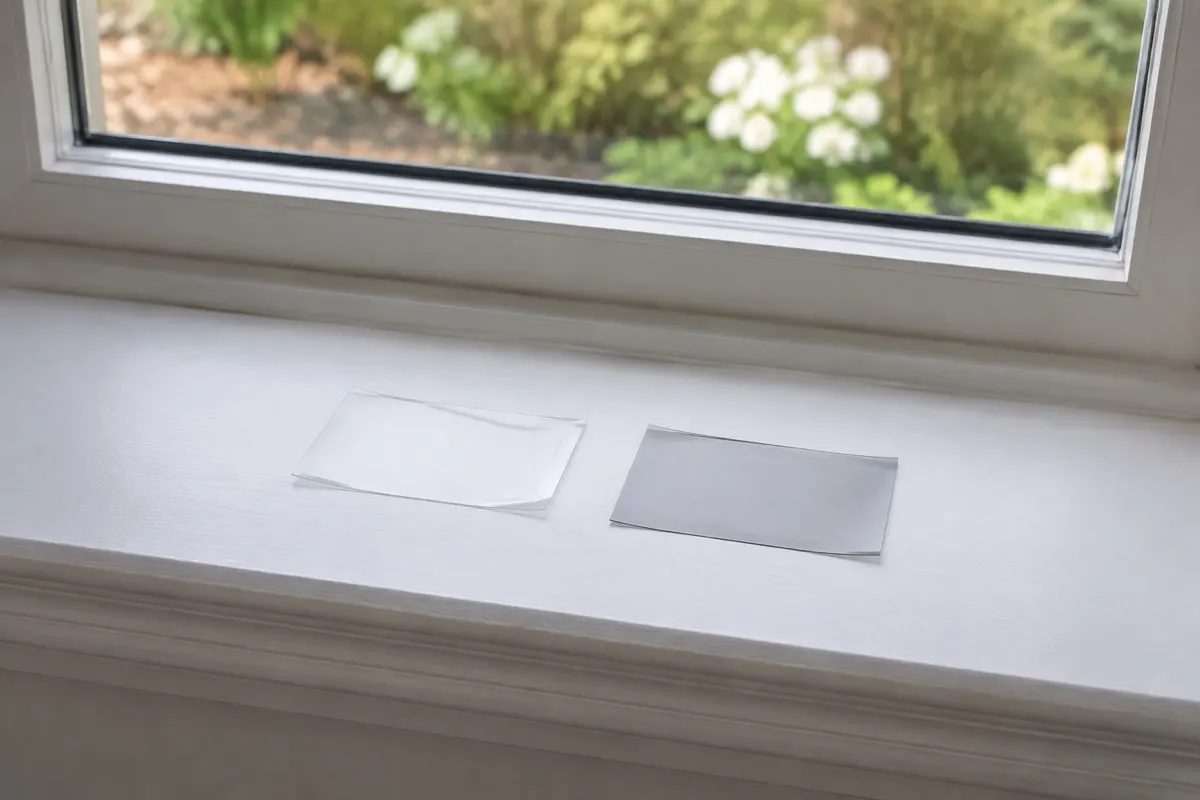
Ask to compare the appearance of the suitable samples in the room’s normal lighting. View them from where you sit, and consider the exterior appearance as well. A sample that looks appealing against a white display board may feel different beside your furnishings and the outdoor view. Confirm any community or property restrictions that apply before deciding on a visible change.
Keep the discussion tied to specific product information. Ask which published performance figures apply to the glass being evaluated. Do not turn a general advertising statement into an expectation for your energy bill. Your room, windows, shading, and use of cooling equipment all affect what you experience.
Our home window tinting page is a starting point for discussing SunGuard’s residential service. If the main problem happens later in the day, our guide to window tinting for west-facing rooms can help you describe when and where the discomfort occurs.
Before accepting a quote, check that it names the film and the windows included. Note any units excluded pending repair or identification. Ask for the installation and aftercare instructions, and retain the final product details with your home records. Those small administrative steps make future maintenance or replacement discussions easier.
Frequently Asked Questions
Can all double-pane windows accept window film?
No universal answer applies to every window and film combination. Have the exact windows identified and check both manufacturers’ current guidance. A label saying “residential” or “double-pane compatible” does not replace a review of the actual application and any restrictions.
What if I do not know whether my windows have Low-E glass?
Gather the available product labels, invoices, and installation records. Ask the window manufacturer, supplier, or installer to help identify the glass option. Do not guess based on the color of a reflection or select a film while an important compatibility question remains unresolved.
Will film fix fogging between the panes?
Have between-pane haze or moisture assessed by a window professional before considering film. Adding film to an accessible glass surface is not a repair to the sealed space inside the window. Explain the condition when you request a consultation and resolve needed window work first.
Should I choose the darkest film to reduce glare?
Begin with options suitable for the glass, then compare their appearance and published performance against your priorities. Ask how each option affects the daylight and view you want to keep. Shade alone is not a complete description of a film or a compatibility decision.
What should I prepare for a consultation?
Bring window identification details, photographs, a list of the rooms involved, and a description of the problem at its usual time of day. Include any repair history, existing film, and warranty documents. You do not need to decide on a product before the assessment.
To discuss window film for double pane windows, contact SunGuard Window Tinting in Punta Gorda at (941) 625-9666. We serve homeowners in Punta Gorda and Port Charlotte. Tell us about your windows and the room you want to improve, and ask what information is needed to evaluate suitable options.