
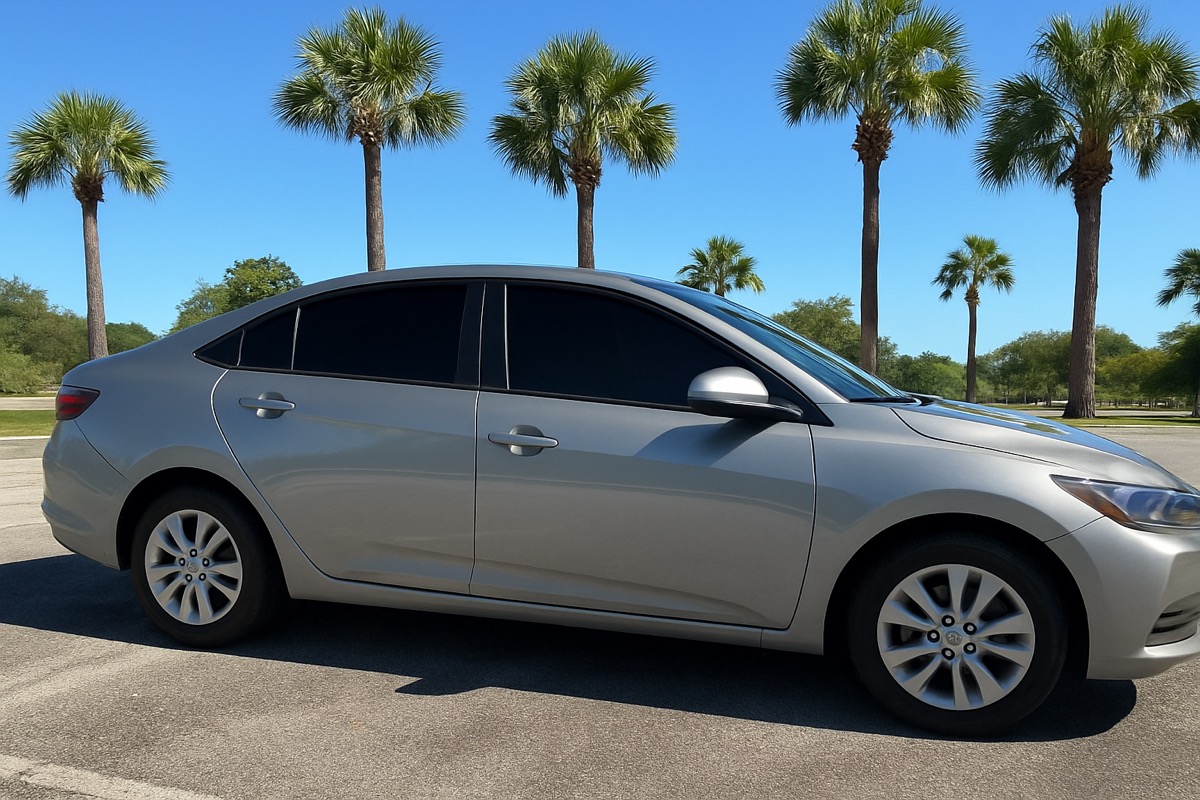
A car parked in Punta Gorda sun can feel brutal within minutes. Ceramic window tint helps address that daily problem by reducing glare, blocking UV exposure, and improving comfort when you get back into the vehicle after work, errands, school pickup, or a marina stop. The right film does not make a parked car immune to Florida heat, but it can make the cabin more manageable and help protect the interior over time.
Why Ceramic Tint Works Well For Parked Cars
Ceramic automotive window tint is built for heat rejection without relying on a dark, mirror-like appearance. That shapes decisions in Southwest Florida because drivers usually want comfort, visibility, and a clean factory-style look. A professional ceramic film can help reduce the heat load on seats, dashboards, steering wheels, and electronics while still keeping the vehicle practical for everyday driving.
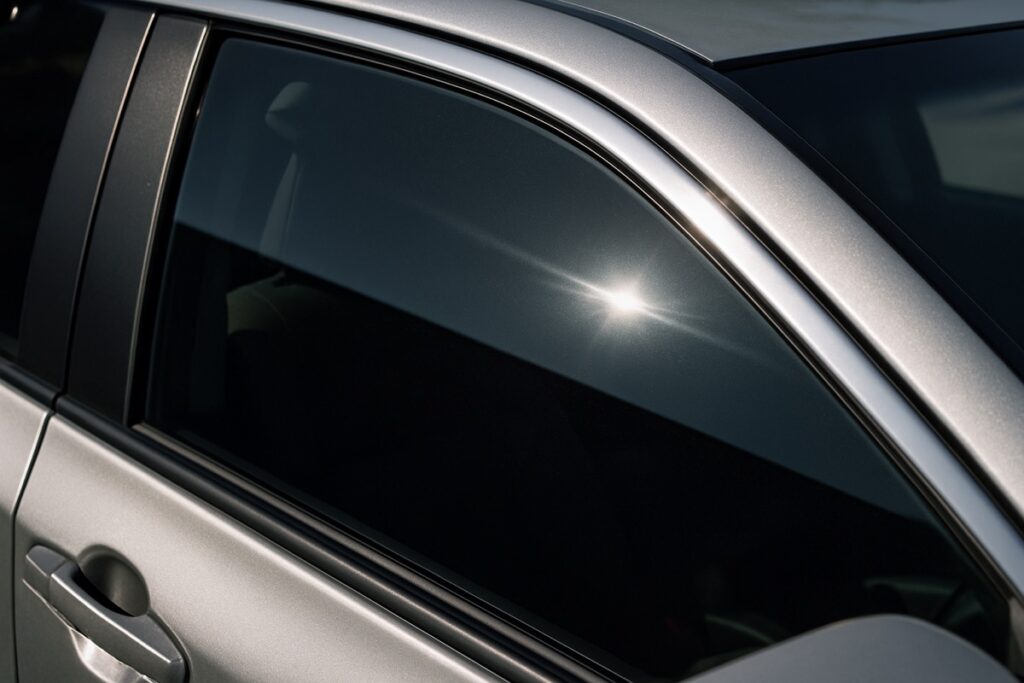
Film selection should account for the vehicle, where it is parked, and how it is used. A commuter parked outside all day may need a different approach than a weekend car that spends most of its time in a garage. SunGuard can compare shade levels, heat rejection, legal visible light transmission, and appearance before installation.
Many drivers judge tint by darkness first, but heat control is not only about how dark the glass looks. Ceramic film is popular because it can reject heat while keeping the vehicle’s appearance refined. That is helpful for drivers who want a cooler cabin without making side windows feel too dark for night driving, backing out of driveways, or checking mirrors in heavy traffic.
The installation also matters. Clean edges, proper shrinking, careful glass preparation, and the right curing conditions all affect how the finished film looks months later. A rushed installation can leave dust, creases, gaps, or peeling edges that become more noticeable once the car sits in hot sun every day.
What To Compare Before Installation
Start with the legal requirements. Florida window tint rules vary by vehicle type and window position, so the film choice needs to balance heat rejection with compliant visibility. If you are unsure where your vehicle fits, review the basics on SunGuard’s Florida window tint laws page before choosing a shade.
- Film type: Ceramic film is usually the better choice for heat control because it is designed to reject infrared heat while keeping clear visibility.
- Legal shade: A darker film is not always the best answer. The right visible light transmission keeps the vehicle comfortable while staying practical and compliant.
- Interior protection: UV protection matters for leather, vinyl, plastics, dashboards, screens, and trim that sit in direct sun.
- Installer warranty: Ask what the film warranty covers and what care steps help prevent scratches, peeling, or bubbling.
Local Parking Conditions Matter
Cars in Punta Gorda and nearby Southwest Florida communities deal with long sun exposure, hot pavement, afternoon storms, humidity, and salt air. Vehicles parked near marinas, open lots, and west-facing driveways often get more direct heat than vehicles parked under shade. That difference can change which film package makes sense.

SunGuard looks at how the vehicle is used before recommending a package. Drivers who spend a lot of time on I-75, US-41, or local bridge routes may care more about glare and side-window comfort. Drivers with children, pets, or sensitive interiors may care more about UV protection and rear-cabin heat.
Interior color can change the recommendation as well. Dark dashboards, black leather, and large windshields often feel hotter after a long parking period. Vehicles with panoramic glass or steeply angled rear windows may also need a more thoughtful film plan because those surfaces can let in a surprising amount of heat and glare.
After installation, drivers should allow the film to cure before rolling windows down or cleaning the glass. Cure time can vary with humidity, temperature, and film type. SunGuard gives care guidance at pickup so the film has the best chance to dry cleanly and perform the way it should.
Frequently Asked Questions
Will ceramic tint keep my parked car cool?
It can help reduce heat buildup and make the cabin more comfortable, but no window tint stops a parked vehicle from warming up in full sun. Shade, windshield protection, ventilation habits, and parking time still matter.
Is ceramic tint better than dyed tint?
For heat rejection and long-term appearance, ceramic film is usually the stronger choice. Dyed films can improve appearance, but they generally do not match ceramic performance in Southwest Florida heat.
Can I tint the windshield?
Windshield tinting is limited by Florida law and visibility requirements. SunGuard can explain legal options such as a windshield strip or clear heat-rejection film where appropriate.
Will ceramic tint affect electronics?
Quality ceramic films are designed to avoid the signal interference associated with some older metallic films. That makes them a strong fit for vehicles that rely on phones, GPS, toll transponders, and driver-assistance systems.
Talk With SunGuard About Ceramic Automotive Tint
For help with ceramic window tint for hot parked cars, contact SunGuard Window Tinting at (941) 625-9666 or visit the automotive window tinting page to compare options for your vehicle.
Want to dig deeper? The International Window Film Association explains how quality ceramic films cut heat and glare, and the Skin Cancer Foundation details why blocking UVA and UVB rays matters for anyone who spends long hours on the road.

