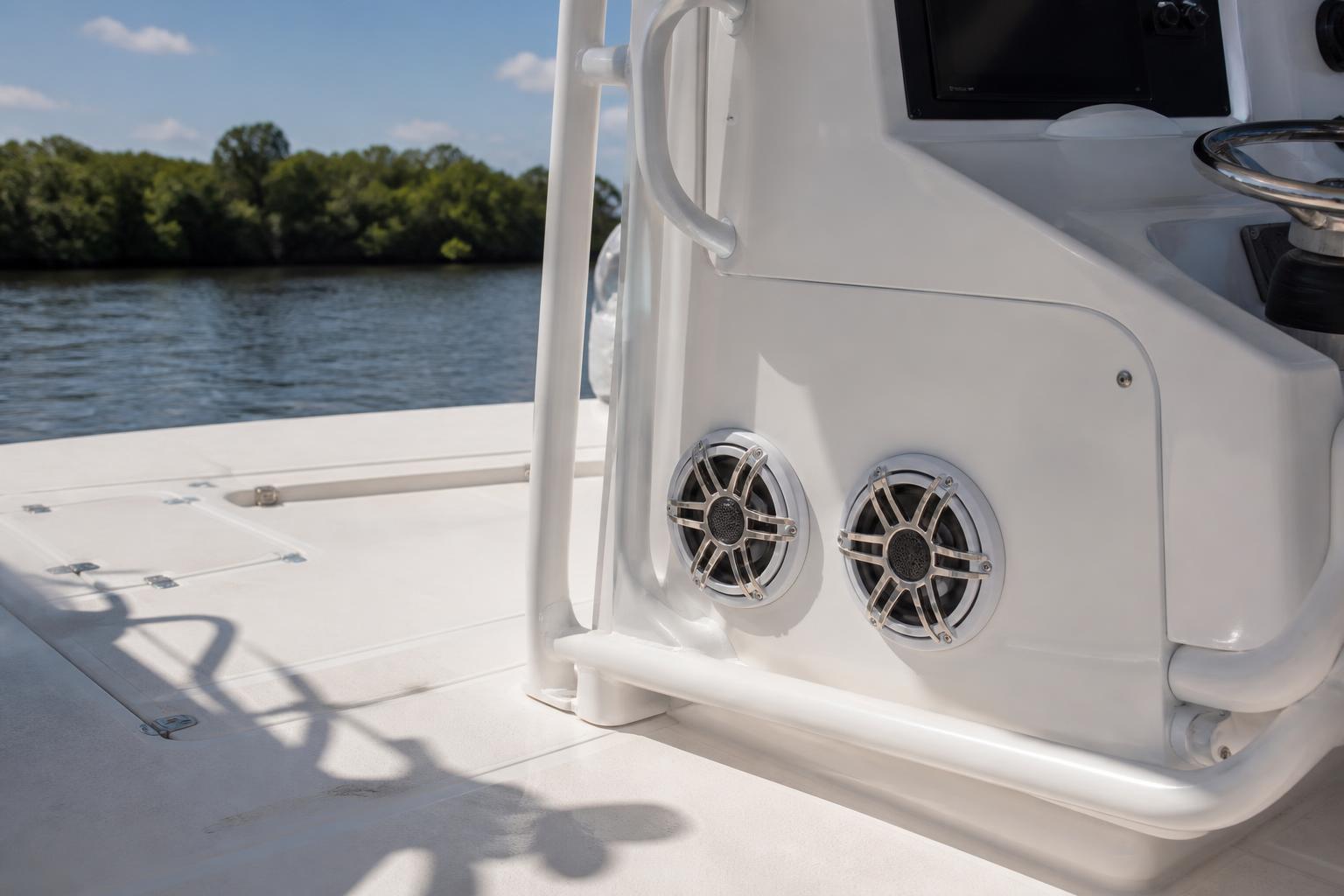
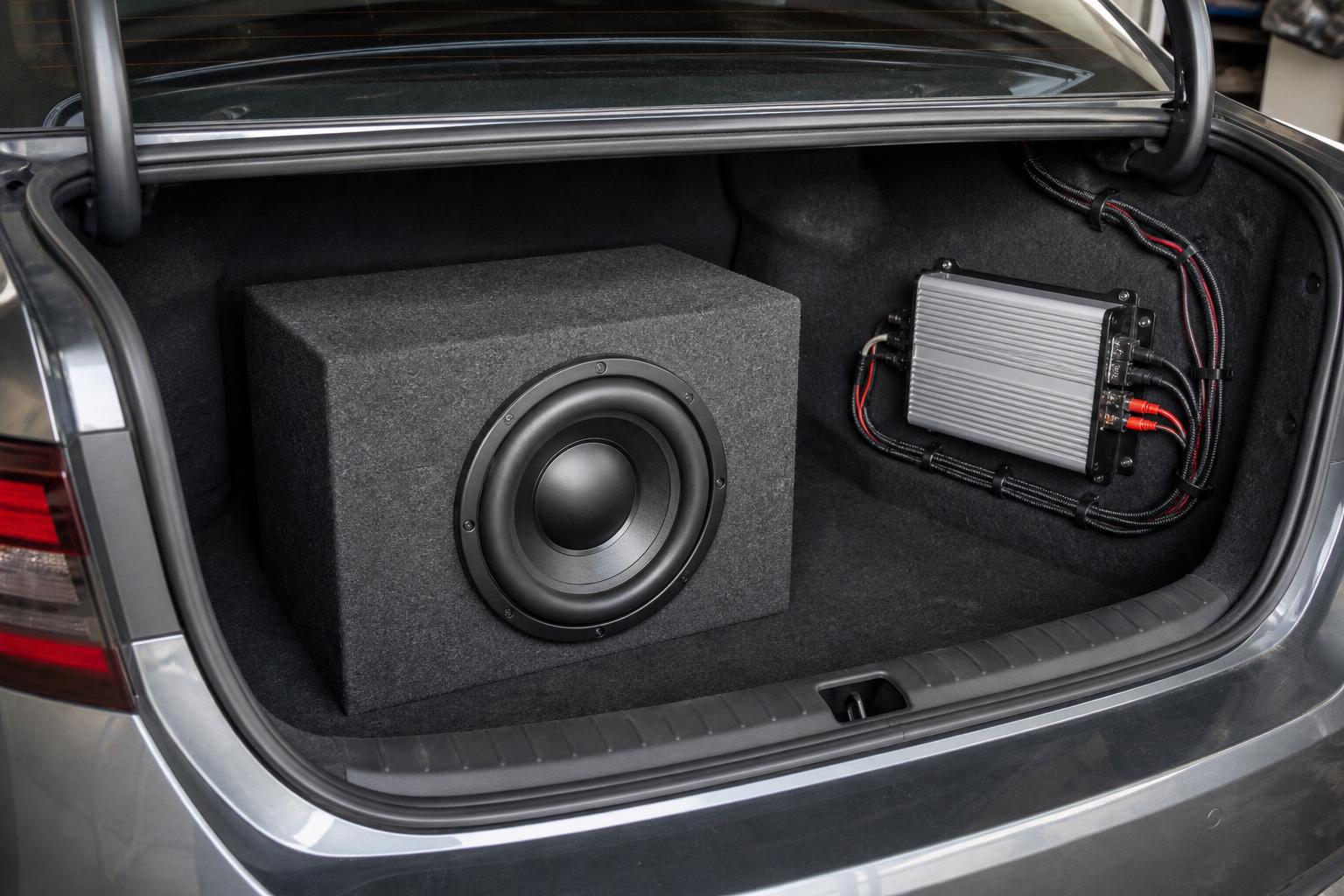
Adding a subwoofer to your car’s factory audio system is one of the most noticeable upgrades you can make, but a clean, safe installation depends on more than picking a box that fits the trunk. Amplifier sizing, wire gauge, fuse placement, and enclosure type all affect how the finished system sounds and how long it holds up.
If you are planning a car audio subwoofer installation, it helps to understand the decisions involved before you buy equipment, so you end up with a system that fits your car, your budget, and how you actually listen to music.
How Vehicle Size and Daily Use Should Shape Subwoofer Choice
Not every subwoofer setup fits every driver. A compact sedan used mostly for a daily commute has different trunk space and electrical capacity than a truck or SUV, and a system sized for one will not translate directly to the other. Buying based on a single review or a friend’s setup, without accounting for your own vehicle, is a common reason a new system ends up mismatched.
How you use the car matters just as much as its size. A driver who wants a subtle bass improvement for everyday music has different needs than someone building a louder, more dedicated system for weekend use. Being clear about that goal before choosing equipment helps an installer recommend a subwoofer size, enclosure, and amplifier that actually match what you want, rather than the most powerful option available.
What a Subwoofer Adds to Your Car’s Sound System
Factory door speakers and dash speakers are built to handle a wide range of frequencies, but low bass is usually the weakest part of a stock system. Small speakers struggle to move enough air to reproduce deep, low-frequency sound cleanly, which is why bass in a stock system often sounds thin even at higher volumes.
A dedicated subwoofer, paired with an amplifier sized for it, handles that low-frequency range so the rest of your system is not straining to compensate. The result is usually a fuller, more balanced sound rather than just “louder bass” — a well-matched subwoofer setup can make the whole system sound clearer, even at normal listening volumes.
Matching Subwoofer and Amplifier Power Correctly
One of the most common mistakes in a do-it-yourself subwoofer install is mismatching the subwoofer’s power handling to the amplifier’s output, or wiring multiple subwoofers to an ohm load the amplifier was not designed to handle. An amplifier that is too small for the subwoofer is often pushed into clipping to reach the volume you want, and a clipped signal can overheat and damage the subwoofer’s voice coil. An amplifier that delivers far more power than the subwoofer is rated for can damage it just as quickly, especially if the gain is set too high.
A professional installer checks the subwoofer’s RMS power rating against the amplifier’s rated output at the actual wiring configuration you plan to use, not just the numbers printed on the box. That match is what determines whether the system sounds clean at the volumes you actually listen at, rather than distorting well before you reach a level you would want.
Sealed vs. Ported vs. Bandpass Enclosures
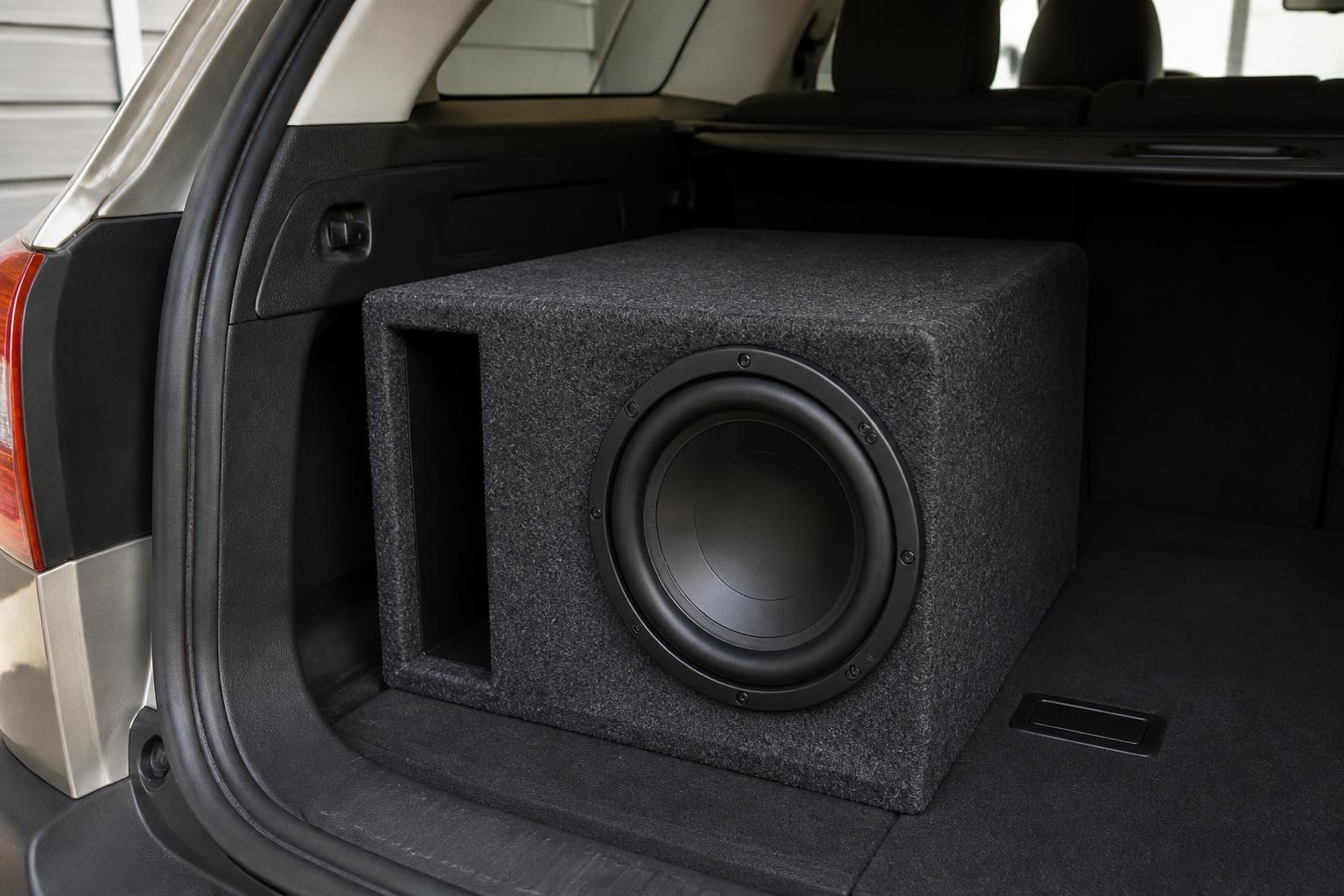
Enclosure type changes both the sound and how much trunk space the system takes up. A sealed enclosure is generally the most compact option and produces tight, accurate bass, which works well for music with a lot of detail. A ported enclosure is larger but can produce louder, deeper bass for the same amplifier power, which is a common choice for drivers who want more low-end output. A bandpass enclosure is the most specialized option, built for a narrow, very loud frequency range, and is less common for everyday daily-driver setups.
The right choice depends on your trunk space, how you use the car day to day, and what kind of bass response you actually want. An installer familiar with subwoofer installation can walk through the trade-offs for your specific vehicle rather than defaulting to whatever enclosure is easiest to source.
Wiring, Fusing, and Electrical Safety for a Subwoofer Install
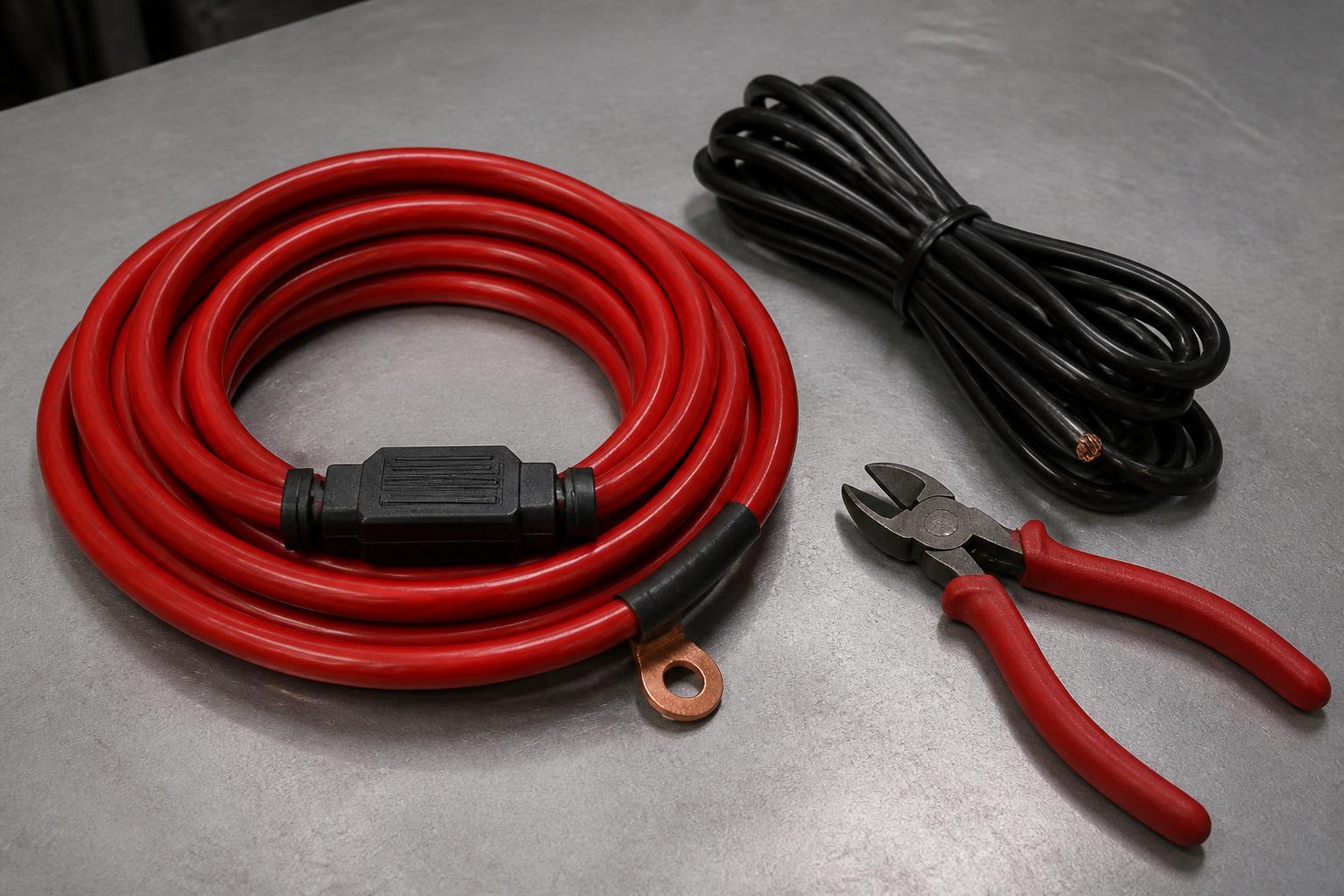
A subwoofer and amplifier draw meaningfully more current than a stock stereo, which means the wiring needs to be sized correctly and fused close to the battery, not just at the amplifier. Undersized wire can overheat under sustained load, and a missing or improperly placed fuse removes a safety layer that is there specifically to protect the wiring if a short occurs.
For general electrical fire-safety background, the National Fire Protection Association publishes public education resources. In a car, the practical takeaway is to route new wiring away from factory harnesses, airbag components, and moving parts, and to use a properly rated fuse near the battery connection — not shortcuts that save time during installation but create risk later.
What to Expect During a Professional Car Audio Subwoofer Installation
A professional car audio installation starts with a look at your trunk space, your factory wiring, and what you are trying to accomplish with the upgrade — a modest bass boost for daily driving, or a louder, more dedicated setup. That conversation shapes the recommended subwoofer size, enclosure type, and amplifier before any equipment is installed.
From there, installation includes running properly gauged power and ground wiring, fusing near the battery, mounting and securing the enclosure so it will not shift or rattle, and tuning the amplifier’s gain and crossover settings for your specific vehicle. Testing at the end confirms the system sounds correct and that nothing was left loose or exposed.
If you are also outfitting a truck, ask about available truck accessories. SunGuard serves drivers throughout Punta Gorda and Port Charlotte for car audio and truck accessory installations.
Frequently Asked Questions About Car Audio Subwoofer Installation
Will a subwoofer drain my car battery?
A correctly installed system, sized to your vehicle’s charging capacity, should not drain the battery under normal driving. Problems usually come from running the system for long periods with the engine off, or from an amplifier that is oversized for the vehicle’s electrical system. An installer can advise on capacity if you plan to use the system while parked.
Can I add a subwoofer without replacing my factory head unit?
In many vehicles, yes. A separate amplifier can often be added to a factory head unit using a line-output converter or an existing preamp output, depending on the vehicle. An installer can confirm whether your factory unit supports this before recommending equipment.
How much trunk space does a subwoofer installation take up?
It depends on the enclosure type and subwoofer size. A single sealed enclosure with a compact subwoofer takes up noticeably less space than a larger ported box built for maximum output. Discuss your space constraints before choosing equipment so the enclosure fits your actual trunk, not just a generic size.
Is subwoofer installation reversible if I sell the car?
Most aftermarket subwoofer and amplifier setups can be removed, though wiring modifications should be undone cleanly to avoid leaving exposed wire or unused holes. If keeping resale value in mind matters to you, mention it before installation so the work is done in a way that is easy to reverse.
For questions about car audio subwoofer installation, contact SunGuard Window Tinting in Punta Gorda at (941) 625-9666. We serve drivers in Punta Gorda and Port Charlotte and can help you choose equipment sized correctly for your vehicle before you schedule an installation.