
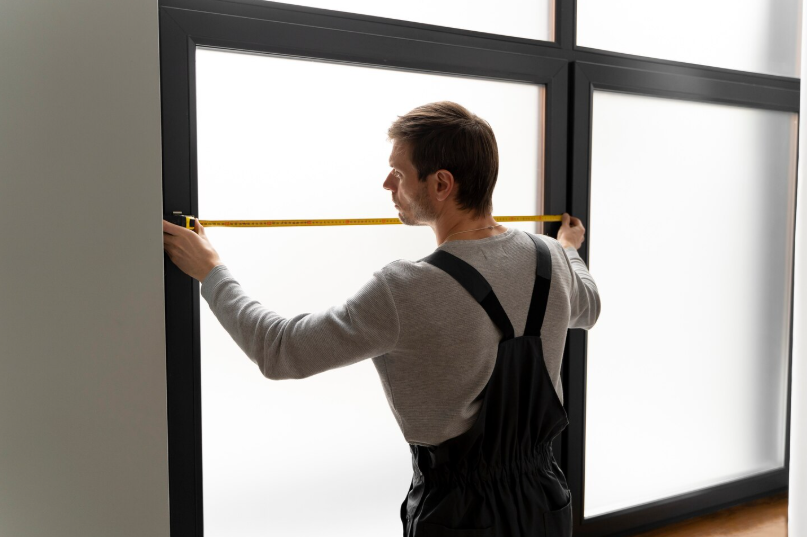
Your home should be a sanctuary from Florida’s intense sun, but the truth is that ordinary windows let in a tremendous amount of ultraviolet radiation that silently damages your furnishings, floors, artwork, and even your skin. Understanding how UV protection home window tinting works and why it matters is the first step toward safeguarding your home and your family. At SunGuard Window Tinting in Punta Gorda, FL, we have been installing residential window film across Southwest Florida for over 44 years, and we have seen firsthand the damage UV light causes to unprotected homes.
Florida receives some of the highest UV radiation levels in the United States. According to the EPA’s UV Index Scale, our region regularly reaches “Very High” to “Extreme” categories during the summer months and stays elevated year-round compared to most of the country. Standard residential windows block virtually none of this UV radiation. Window tinting changes that equation entirely.
How UV Radiation Damages Your Home’s Interior

Ultraviolet light is invisible to the eye, but its effects are anything but invisible. Over time, UV exposure causes damage that is cumulative, irreversible, and expensive to address. Here is what unfiltered UV light does inside your home:
Furniture fading and deterioration. Fabric upholstery, leather sofas, and wood finishes all break down under UV exposure. Dyes bleach out, leather dries and cracks, and wood finishes yellow. A sofa near a south-facing window in Punta Gorda can show noticeable fading in as little as six months.
Hardwood floor discoloration. UV light oxidizes wood finishes, causing uneven color changes wherever sunlight reaches. Homeowners often discover this when they move a rug and see a stark color difference between exposed and covered areas.
Artwork and photograph damage. UV light is the primary enemy of artwork and photographs. Museums spend enormous sums on UV-filtering glass for exactly this reason. Family photos, paintings, and framed prints near your windows suffer gradual, irreversible color loss.
Skin health risks. UVA rays, which make up 95 percent of UV radiation, penetrate standard window glass. If you spend significant time near windows, you are getting meaningful UV exposure. The Skin Cancer Foundation notes that cumulative UV exposure contributes to skin aging and increases skin cancer risk.
How Window Tinting Blocks UV Rays
Residential window film works by incorporating UV-absorbing compounds directly into the film’s construction. When applied to your windows, these films block up to 99 percent of harmful UV radiation across the full UVA and UVB spectrum. This is not a marketing claim — it is a measurable, verifiable performance characteristic of quality window films from manufacturers like LLumar.
Here is how the technology works:
- UV absorbers in the film’s polyester layers capture ultraviolet photons and convert them to harmless heat energy before they pass through the glass.
- Metalized or ceramic particle layers (depending on the film type) reflect and absorb additional solar energy, reducing both UV and infrared heat transmission.
- Adhesive bonding creates a permanent, invisible layer on the interior surface of your existing windows. No window replacement is needed.
The result is windows that look virtually unchanged from both inside and outside but now function as a protective barrier against the full UV spectrum. Even the lightest, most transparent residential films achieve 99 percent UV rejection. You do not need dark or reflective film to get complete UV protection.
Types of Residential Window Film for Florida Homes

Not all window films are the same, and choosing the right type for your home depends on your priorities. At SunGuard Window Tinting, we offer a full range of residential window tinting solutions. Here are the main categories:
Ceramic window film. The premium choice for Southwest Florida homes. Ceramic film uses nano-ceramic particles to reject heat and UV without interfering with cell signals, Wi-Fi, or GPS. It maintains true color clarity with no purple haze or distortion over time.
Dual-reflective film. A reflective exterior surface rejects solar heat while maintaining a softer appearance from inside. Popular in waterfront homes in Punta Gorda Isles and Burnt Store Marina where preserving views matters.
Security film. Designed to hold glass together during impacts from hurricanes or break-in attempts, security film also provides full UV protection, addressing two Florida concerns in one application.
Decorative and privacy film. Frosted, patterned, and gradient films provide privacy for bathrooms, entryways, and glass doors while still blocking 99 percent of UV.
All of these film types block 99 percent of UV radiation. The differences are in heat rejection, appearance, and additional features. Our team will recommend the best film type for each window. Browse our service packages for residential options.
Energy Savings: The Co-Benefit of UV Window Film
While UV protection is the primary focus of this article, the energy savings that come with residential window tinting deserve attention because they are substantial in Southwest Florida. Air conditioning is the single largest energy expense for most Florida homes, and a significant portion of that cooling load comes from solar heat gain through windows.
Quality residential window film reduces solar heat gain by 30 to 60 percent. In practical terms, this means:
- Lower electricity bills. Many Southwest Florida homeowners see 10 to 25 percent reductions on cooling costs, translating to $40 to $100 or more in monthly savings during summer.
- Consistent indoor temperatures. Hot spots near windows are eliminated, so your home feels comfortable without cranking the thermostat down.
- Reduced HVAC wear. When your AC runs less frequently, it lasts longer and needs fewer repairs.
- Reduced glare. Window film cuts glare by 40 to 70 percent while maintaining natural daylight.
Residential window tinting typically pays for itself within two to four years through energy savings alone, and the UV protection starts working from day one.
SunGuard’s 44 Years of Residential Window Tinting Experience

Owner Bill Jenks founded SunGuard Window Tinting in 1980, and over more than four decades, we have tinted windows on over 100,000 vehicles and thousands of homes and commercial buildings throughout Southwest Florida. That longevity matters because residential window film installation requires skill and experience to get right.
Common issues with inexperienced installers include bubbling, peeling, and premature failure due to improper glass preparation. At SunGuard, our residential window tinting installations are backed by decades of hands-on experience.
We serve homeowners throughout Punta Gorda, Port Charlotte, Cape Coral, North Port, Englewood, Fort Myers, Sarasota, Venice, and Arcadia.
Frequently Asked Questions
Does window tinting make rooms too dark?
No. Modern residential window films are available in a wide range of light transmission levels, from nearly invisible films that block UV while allowing over 70 percent of visible light through, to darker films that also provide significant privacy and heat rejection. During your consultation, we will help you choose the right balance of UV protection, light, and appearance for each room.
Will window film damage my windows or void the glass warranty?
When the correct film is matched to the correct glass type, window film will not cause damage. Some films are not recommended for certain types of insulated or low-E glass because they can cause thermal stress. At SunGuard, we assess your glass type before recommending any film to ensure compatibility. Most major film manufacturers also provide warranties that cover their products when properly installed.
How long does residential window film last?
Quality residential window film from reputable manufacturers typically lasts 15 to 25 years or more when properly installed. In our experience, films installed on Florida homes routinely exceed 15 years of performance before any degradation becomes noticeable.
Can window tinting be applied to hurricane impact windows?
Yes, but film selection matters. Impact windows already have a laminated glass construction, and adding film changes the thermal profile. We use films specifically approved for application on impact glass to avoid any thermal stress issues. This is an area where experience matters, and our 44 years of installation work means we know exactly which products are safe for your specific windows.
Is DIY window tinting a good option for homeowners?
We do not recommend it for most homeowners. Residential window film installation requires precision cutting, thorough glass preparation, and proper squeegee technique to avoid bubbles, creases, and contamination under the film. Mistakes are visible and costly to fix. Professional installation ensures a flawless result that lasts decades, and the cost difference is minimal compared to the value of your time and the risk of a poor outcome.
Protect your home, your furnishings, and your family from Florida’s intense UV radiation. Call SunGuard Window Tinting in Punta Gorda, FL at (941) 625-9666 to schedule a free residential window tinting consultation. With over 44 years of experience and thousands of satisfied homeowners across Southwest Florida, we are the trusted experts in UV protection home window tinting that makes a real difference. Visit us at 24690 Sandhill Blvd, Unit 604, Punta Gorda, FL 33983.

